Home Blog Page 93

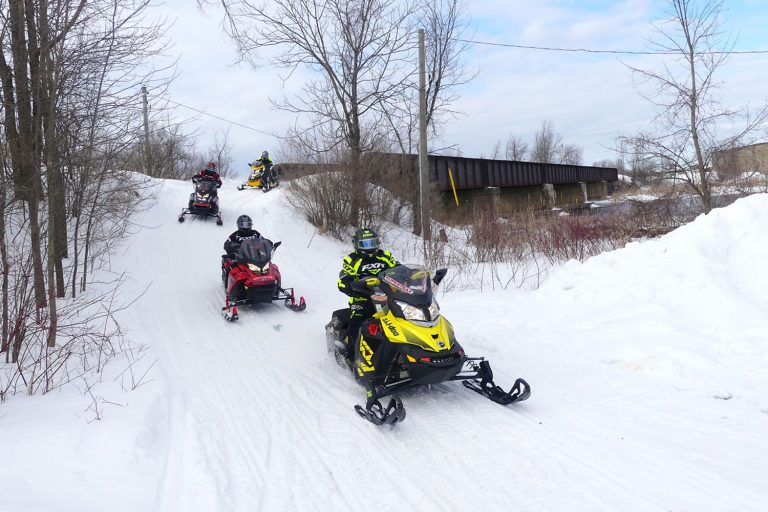
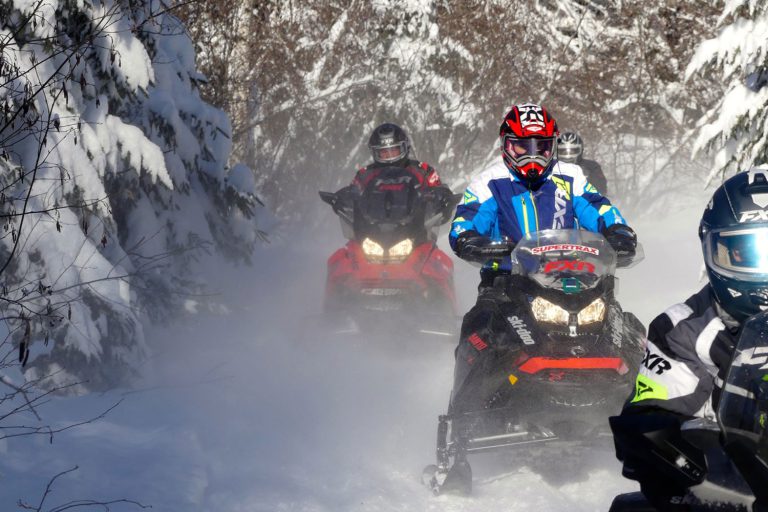
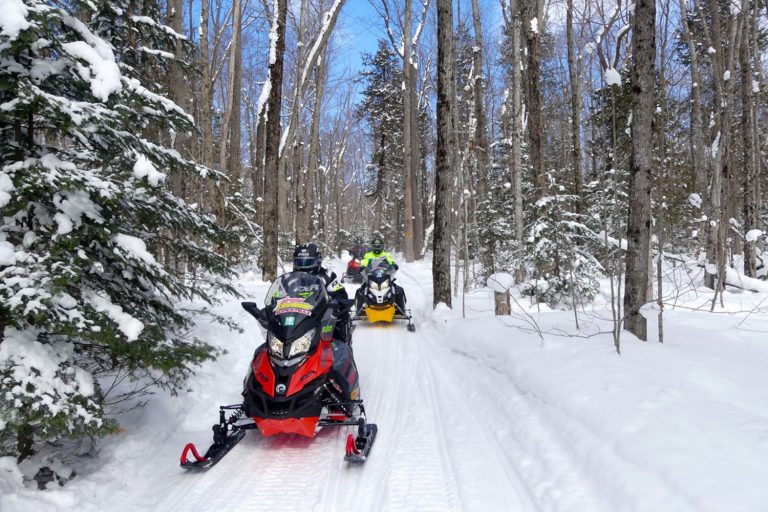
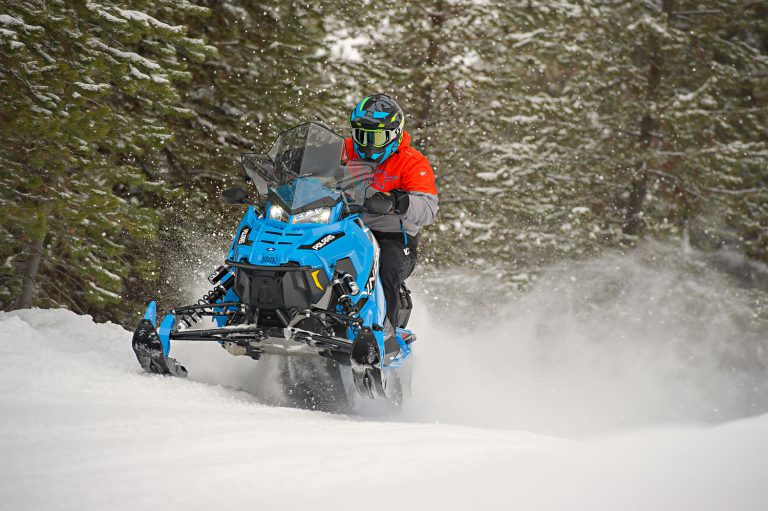
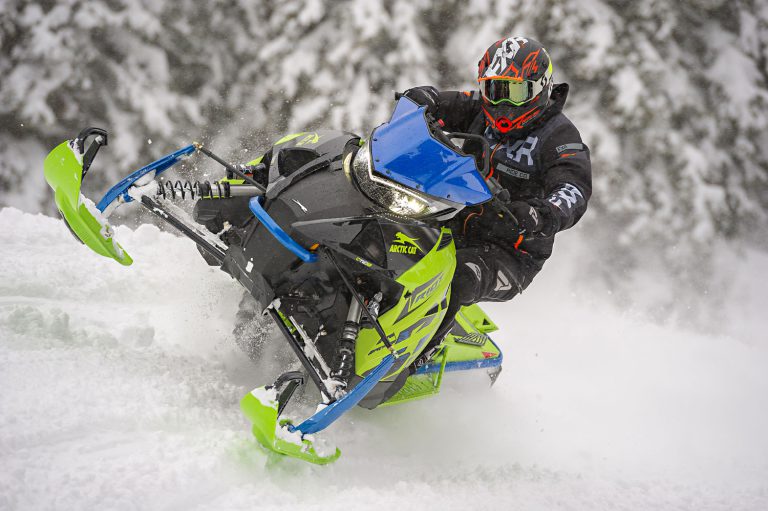
INDY XC 850 or MX-Z XRS 850?

Is there a more burning question in the sno-mo-biz in MY 2019?

Here’s the plan – we’re going to lay out some of the strengths and weaknesses of each sled and give you the opportunity to make an informed decision – knowing your brand loyalty will ultimately determine your conclusions.

SKI-DOO MX-Z XRS 850 129

QUALITY:

From a production quality and assembly standpoint, the X-RS 850 is a piece of watch-like precision. Nothing in the biz equals Ski-Doo’s attention to detail and high quality finish – in a showroom shoot-out, Ski-Doo wins every time.

SUSPENSION:

In our opinion, the legendary rMotion skid takes the nod by a sliver. Here’s why: The remote tunnel-mounted rear arm shock compression adjuster and rear torsion spring pre-load adjuster are incomparable making the Polaris’ traditional adjustment ritual – hands under the sled and in the skid – seem archaic.

However, we will say this – once you’ve got either sled dialed-in it’s unlikely you’ll make any changes throughout the season – unless your membership to Nutri-system put you in a different weight category during the riding season.

Front suspension? That’s a whole different story. The Ski-Doo pales in comparison to the Indy’s IFS. Ski-Doo’s rMotion skid simply overdrives Ski-Doo’s RAS 3 in this application.

ENGINE:

Ski-Doo’s 850 E-TEC gives full measure for its 850ccs and 165 HP. This thing is a rocket and we can’t say a bad word about it. E-TEC makes the 850 almost incomparable in the fuel economy category. When ridden sanely, it sips fuel.

We also give props to Ski-Doo’s pDrive roller tower primary. It is the future and enhances every single pony the 850 Rotax pumps out. pDrive shifts with buttery smoothness and the clutch follows engine RPM with incomparable accuracy.

HANDLING:

The Ski-Doo is a bit of a contradiction in this category. When equipped with SD’s TS tunable skis we find the G4 sometimes unpredictable, requiring the rider to “chase” the sweet spot for initial turn-in and mid-corner bite. With Pilot 5.7’s things are much more predictable and control is consistent.

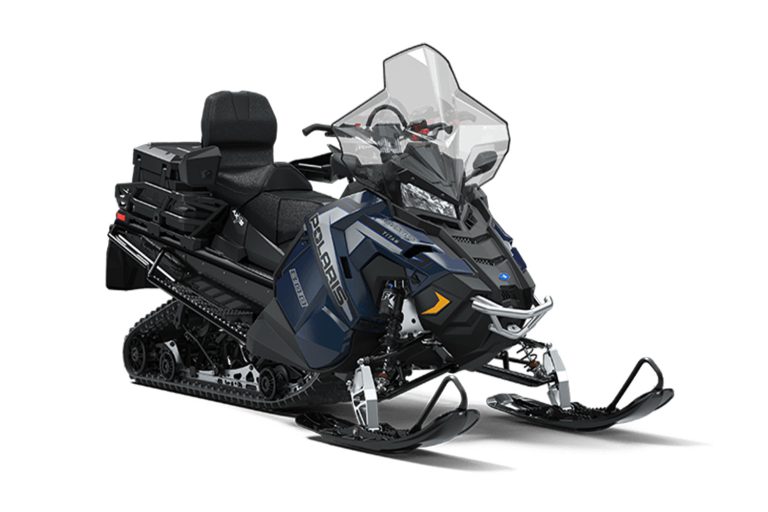
POLARIS INDY XC 850 129

QUALITY:

Polaris has moved mountains to improve fit and finish quality on the latest AXYS sleds debuted for MY 19. Having said that the paint finish on areas of the bodywork is still a little orange peely while exposed Torx screw heads at the base of the handlebar opening through the hood look cobby. We have to give the nod to Polaris for style and cutting edge graphics, though.

Numerous responses to our wildly popular Indy walk-arounds taped earlier this season contain your comments about how visually appealing the AXYS chassis looks. Ski-Doo needs to get over the yellow thing and go off the grid like Polaris has with its coloration and graphics.

SUSPENSION:

We already knighted rMotion as the best rear suspension again. However, it’s worth noting that once adjusted the new Pro CC can go rail-to-rail with Ski-Doo’s rMotion. Getting your set-up takes more work with the Polaris.

Up front, there’s no question who owns suspension laurels. The AXYS chassis capably swallows everything from trail chatter to craters. You can run as fast as the new Pro CC will push the chassis and remain in control with consistent and linear feedback through the bars.

ENGINE:

The Patriot 850 was a clean sheet of paper this year but was targeted with laser precision to compete with the Rotax 850. From a pure loud handle evaluation, the Patriot makes no apologies. It’s crazy fast, yet incredibly trail-able. While fuel economy is not and won’t be comparable to E-TEC direct injection, the engine does scavenge cleanly and runs mostly smoke-free once warmed.

Of special note is the new drive belt used by the Patriot 850. Polaris claims up to 7500 miles of service! We’re watching our 850 press fleet carefully. One more thing about the 850 Patriot: It aces the SD 850 in the vibration category.

The Patriot’s new-design engine mounts virtually eliminate vibration at idle while the G4 Ski-Doo rattles and vibrates its hood and ski tips in a way not commensurate with the sophistication we have come to expect from Ski-Doo.

HANDLING:

The Polaris IFS is complimented by the new Pro CC and will make you look and feel like a better rider. Polaris got the handing equation figured out some time ago and subtle tweaking has only made it better. This system turns-in, and progressively cuts harder than anything in the biz with intuitive predictability. The Polaris variable castor IFS system is the setup all others must be judged by.

So go ahead and make your own conclusions and don’t forget to factor the all-important MSRP equation when you compare these two ultra-high-performance, superb snowmobiles.

SnowTrax Television 2019 – Episode 11 Sneak Peek

0

With the model year 2020 snowmobile lineups in full swing from all the major OEMs, we take a closer look at the all-new mountain riding Khaos RMK and 137-inch INDY XC from Polaris and the Expedition Xtreme from Ski-Doo. We then turn our focus and take a closer look at the all-new 2-stroke 600cc powered utility Transporter snowmobile along with the new Sidewinder S-TX GT and the expanded line up of Viper platforms from Yamaha. 

And then Mark tackles the exploding 600-class snowmobile market and reviews the 2019 Ski-Doo MXZ X 600R.

Subscribe to our YouTube Channel!

ROX PRO-TEC HANDGUARD AND MOUNT KIT

0

These handguards offer some serious protection! Their extra large size, Flex-Tec material and super-strong mounting system keeps your hands warm and deflects ice and snow roost in tight quarters – like when you’re racing in a crowd or riding in icy conditions.

These guards can be used with or without the foam extensions included and, if you’re a racer, provide plenty of extra space for sponsor logos.The 360-degree mount kit is made from rugged aircraft aluminum.

When ordering, include details of your sled to ensure you get the best possible mounting set-up.

Go to RoxSpeedFx.com

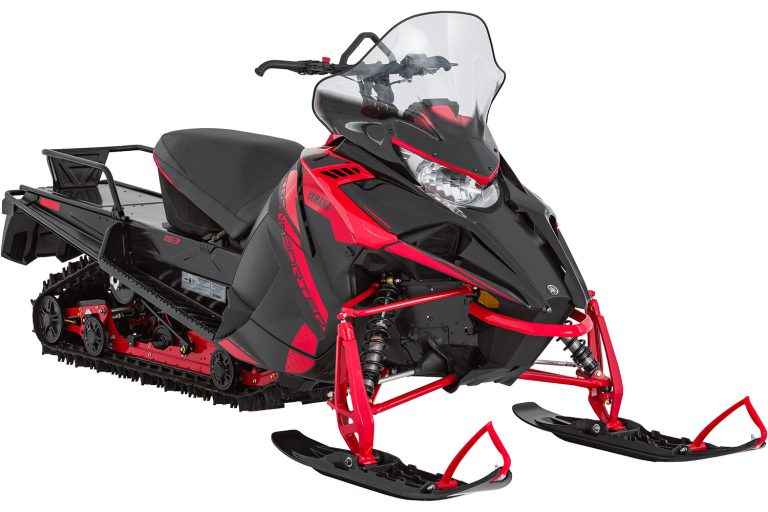
2020 YAMAHA TRANSPORTER SE 600

0

Despite other changes to the 2020 Yamaha product line, probably the company’s biggest news this year is the 600 Transporter.

This sled is the first viable 2-stroke Yamaha has offered in nearly fifteen years. Yes, we know about the Viking 540, but the Transporter is an all-encompassing sled that reaches into several markets at once, where the 2-stroke VK was specifically aimed at the utility buyer.

What are we talking about? First, the Transporter is powered by an Arctic Cat-derived DSI 600 2-stroke twin – but the story only begins there.

Obviously, the target is lightness and utilizing a 2-stroke provides plenty of deep snow agility without the extra front-end mass of a 4-stroke affecting powder handling. There’s way more to this, however.

Check out the Transporter’s features and dimensions: It comes with a long tunnel and a 153-inch track. Suddenly the picture gets clearer. This long, 2.25-inch-deep Powerclaw track, equipped with lugs, enables the Transporter to perform alongside some pretty formidable mountain sleds.

The skid is articulated for better reversing and improved ride but can be locked down so the whole 153 inches is biting in powder.

Yamaha uses a mountain seat, wide mountain skis, a fairly narrow 38-inch ski-stance and a tall 6.5-inch riser for comfortable stand-up handling.

There’s even a handlebar strap. Yes, this sled is a mountain performer disguised as a utility sled. Sure, mountain experts are going to want 800 power, but there are a lot of boondockers and foothill powder riders who love a 600. This sled is perfect for just that.

At the very least, you could call the Transporter a credible crossover. It uses the SRV trail front end geometry and spindles in combo with the mountain skis and gas shocks and although the 2.25 track is a bit too deep for continuous groomed trail use, it’s fine for short hauls from a staging area to a fave off-trail riding area.

It uses the SideWinder’s quick-remove bodywork and its narrow stance means you can lay it over and pull powder hooks – even sidehill some pretty steep slopes.

The Transporter makes use of a roller secondary and has a built-in belt-height adjuster.

Sure, the windshield is a bit tall for a pure mountain sled and there’s a utility style rack at the rear of the tunnel but if you’re riding slopes, it’s a perfect place to bungee down extra gear and a gas can.

So there you have it! The Transporter is presented as a utility sled, can double as a vert sled and even be used to ride freestyle or used as a crossover.

Yamaha riders are gonna love it and we’re betting next year Yamaha will offer this sled with even more goodies and maybe, an 800. Better yet, it has that “YAMAHA” logo on the body – and can play in the powder with the best of them!

2020 Polaris INDY XC 137 Walk Around & First Impressions

0

Our series of 2020 first impressions continues as AJ is here to talk about the Polaris INDY XC 137.

Subscribe to our YouTube Channel!

2020 Ski-Doo Backcountry X-RS Walk Around & First Impressions

0

AJ is back with early impressions following a full day’s ride on another 2020 snowmobile: the Ski-Doo Backcountry X-RS. Full Review to come on SnowTrax 2020!

Subscribe to our YouTube Channel!

2009 MXZ & RENEGADE 600 ETEC

A ten-year-old sled, if you can find a really good one, represents good value and can provide comfort and reliability at a fraction of the price of a new sled. If you’re looking for used iron, here’s a few suggestions in no particular order:

The XP-based Ski-Doo platform was a sales success from day-one and when the E-TEC 600 was stirred-in in 2009, it upped the ante considerably.

2009 was significant because Ski-Doo also refined the chassis a bit compared to its late intro the year before and the ride (SC-5 coupled) and handling were improved.

In this transition year some Renegade and MX-Zs still offered the 600 carb engine still available today. These are a good used buy, too, although far less techie.

The early super-light XP chassis exhibited some strength issues and was subsequently beefed up for better reliability in the ensuing years. There may be recalls and you should check.

One major chassis problem was the XP and XR front bulkheads bending or distorting in situations where there was frontal impact at the skis or spindles.

This was expensive damage to repair and you need to take a measuring tape with you to ensure the left and right skis line up properly on the used one you’re shopping.

The 600 E-TEC has a much better reliability record than the 800 E-TEC and that’s why we recommend you stick with the 600 in a sled this age.

However, Ski-Doo used an ultra thin-carcass track on all XR and XPs in order to save weight and these original tracks are notorious for stud pull-through. Check the condition of the track carefully on one in the 8-10K range, even if it hasn’t been studded.

We’ve heard of a few 600 bottom end failures – usually due to the failure of the IsoTech grease used in the sealed crank bearings. However, it’s not uncommon to hear of 600s with over 10,000 miles on them still running strong.

A word of caution, though: Unless the owner has already done it, we recommend a complete engine overhaul on a used one with miles in that range – no matter how good it runs. You’ll be safest buying one in the 5K to 8K range.

We give this one a 3.5 on the used scale.

2020 Arctic Cat Riot 8000 Walk Around & First Impressions

0

AJ lays down his thoughts on the recently announced 2020 Arctic Cat Riot 8000 following solid ride time!

Subscribe to our YouTube Channel!

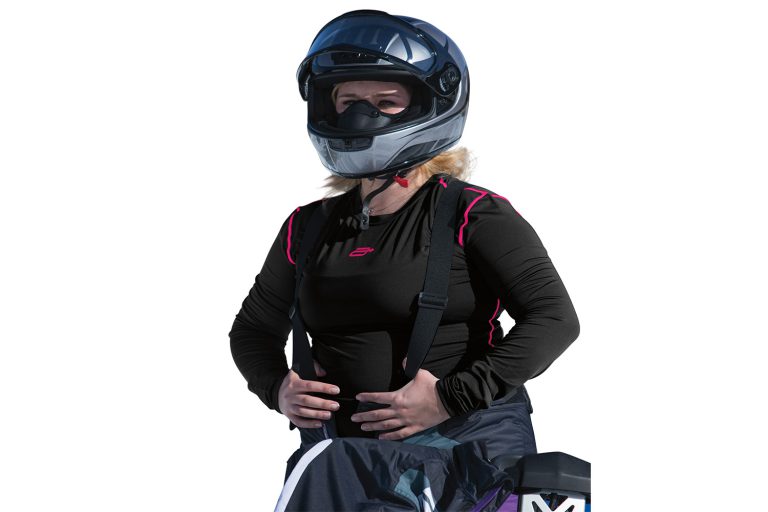
Arctiva introduces the all-new LAT48 gear

Janesville, Wisconsin – March 1, 2019 – Work Hard, Play Harder. The all new Arctiva LAT48 gear gets it. This gear is ready to take you further than you’ve ever been before with its fully waterproof and durable polyester shell. Packed with top of the line 3M Thinsulate™ insulation throughout the entire jacket and bib, LAT48 is ready to take on the toughest of conditions. It doesn’t just stop there though, we added in a double layered waterproof seat, 3M Scotchlite retro-reflective patches, and equipped it with the best YKK® zippers. Whether you are going out for a long adventure ride or hitting the powder, the LAT48 has you covered. Available for men and women! Suggested retail $225-$250.

2009 YAMAHA RS VECTOR

A ten-year-old sled, if you can find a really good one, represents good value and can provide comfort and reliability at a fraction of the price of a new sled. If you’re looking for used iron, here’s a few suggestions in no particular order:

In 2009 the Vector was powered by a carbureted 963cc triple making about 120-hp. Although a bit heavier, Supertrax rated it very high amongst the available 4-stroke sleds from the competition back then – mostly because of that engine.

The Vector’s RS chassis was the same super strong Delta Box as the 4-cylinder Apex but on the trails the Vector was a much more pleasant, lighter feeling sled because of its lighter engine (than the Apex).

Those carbed Vectors were fuel misers (up to 20mpg), generated really nice torque and overall have proven to be super-reliable with very few glitches.

One major complaint over the years has been on-trail darting generated from the skis used on Yamahas. This was particularly noticeable on the 2008 and 2009 RS-based Vectors and is best remedied with a different set of dual carbide aftermarket skis. Find a good one and do this mod and you’ll have an excellent used sled.

In 2009, the 121-inch Vector ER and GT and the 136-inch L-TX featured an on-tunnel, dial adjustable 20-position Monoshock RA single shock rear suspension.

This is a nice upgrade and delivered a better-than-average ride. Barring deterioration of the KYB monoshock (they are rebuildable) the adjustability is a nice feature and ups the appeal of this sled.

One problem: It may be hard to locate a used 2008 or 2009 Vector in any condition. Owners hang onto them as second sleds and there weren’t as many built as some competitors.

We rate it 4.5 out of 5.