Home Blog Page 103

Full Review of the 2019 Ski-Doo Renegade X-RS 900 ACE Turbo

0

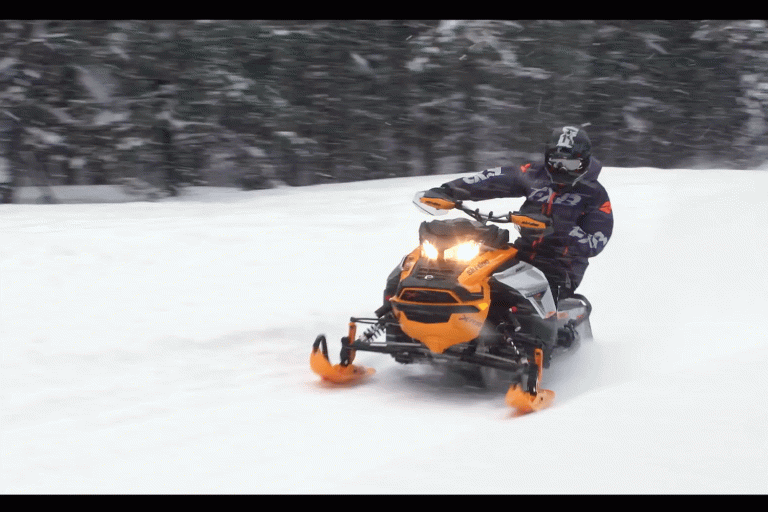
AJ seeks to discover the true power of the 2019 Ski-Doo Renegade X-RS 900 ACE Turbo with his review of the high-profile snowmobile.

Subscribe to our YouTube Channel!

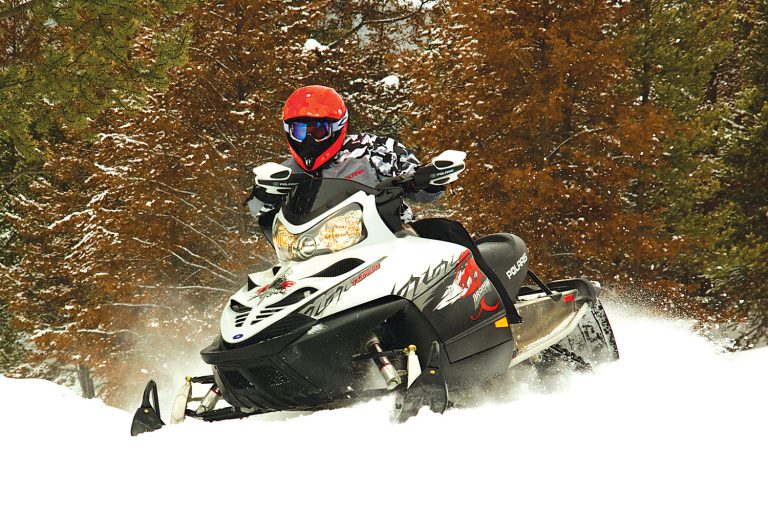
2009 POLARIS IQ & SWITCHBACK 600

A ten-year-old sled, if you can find a really good one, represents good value and can provide comfort and reliability at a fraction of the price of a new sled. If you’re looking for used iron, here’s a few suggestions in no particular order:

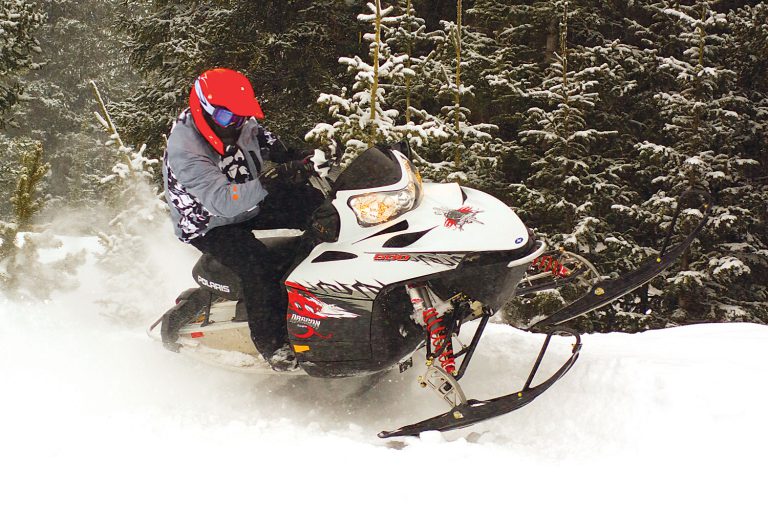
In 2009 the 600 Cleanfire was available in the Shift, the Dragon (with Walker Evans shocks), the IQ 600 (121) and the 136-inch Switchback. Polaris was touting “competition killer” prices and, depending on how you equipped it, you could pick up one of these sleds for hundreds less than the 600s from Ski-Doo and Cat.

The Cleanfire 600, although not as fuel efficient as the newly introduced 600 Ski-Doo E-TEC, was rated at 125-hp and with Polaris clutching, was plenty fast.

IQ Polari were not as light as the new Ski-Doo XP either (Ski-Doo was making a very big deal about its low weight back then), but have proven to be strong and durable over the long haul.

These sleds were equipped with PERC – Polaris’ version of electronic run-backwards reverse, but Shift versions were stripped bare of goodies and in 2009 didn’t even have a thumbwarmer. Those sleds were cheap back in 2009 and should be reasonably cheap today.

The IQ was a bit sensitive to carbide length on the skis and if your replacement skags are even a bit too aggressive you can have some steering resistance issues – tiring on long rides and you can get some darting. We suggest staying with the stockers.

All in all, the IQ platform was very comfortable and warm, had good suspension and handled great.

Unlike the 2009 Cleanfire 800, which was a troublesome engine, the Cleanfire 600 has a very good reliability record and customers rate it fairly high. We’d definitely suggest you limit your 2009-era Polaris IQ searches to the 600 and the FST Turbo.

We rate any 2009 Polaris IQ with a Cleanfire 600 a 4.5 out of 5.

SnowTrax Television 2019 – Episode 10 Sneak Peek

0

AJ attends the FXR Racing 2020 Dealer Show to get a look at the all-new gear including the Dri-LINK system being implemented into their snowmobile suits, their lineup of 6D helmets which provide a massive increase in safety as well as a live fashion show. Then, AJ hops on a sled and rips a Snocross track for the first time in over a decade with racing legend, Levi LaVallee.

Then, AJ returns to the Trail Tech shop to recommend the latest snowmobile products from KIMPEX that you need on a long day’s ride including the SHAD Box for all your storage needs, hand muffs and and sled cover.

And Mark reviews the successor to our 2018 Real World Sled of the Year choice: the 2019 Polaris 850 XCR Switchback.

Subscribe to our YouTube Channel!

2009 SKI-DOO MXZ & RENEGADE 4-TEC

A ten-year-old sled, if you can find a really good one, represents good value and can provide comfort and reliability at a fraction of the price of a new sled. If you’re looking for used iron, here’s a few suggestions in no particular order:

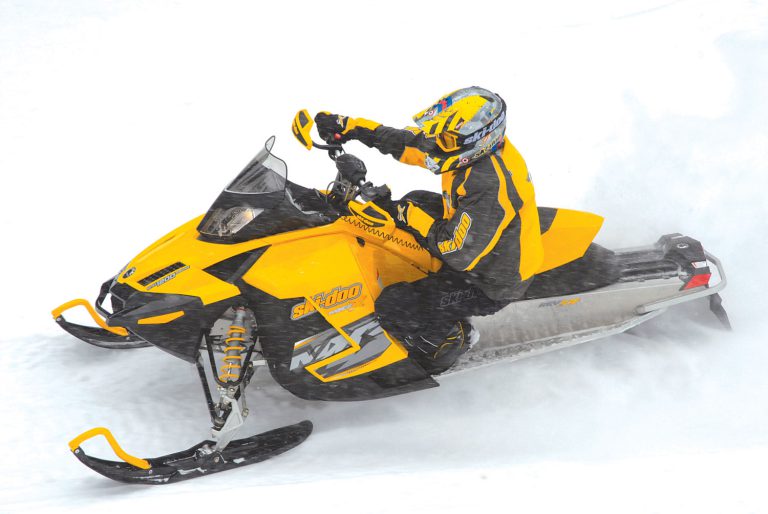
2009 was the first year for Ski-Doo 4-TEC MX-Zs and Rennies but the designers seemed to have gotten it pretty close to right from the beginning.

The big EFI (single throttle body) 1170cc triple was housed in a widened version of the XP chassis called the XR. Although this was a dimensionally large powerplant and not a lightweight, its huge displacement delivered immense torque and that’s what Ski-Doo owners wanted. These sleds could pull up past the 100-mph mark and sit there all day long.

Riding Ski-Doos with 4-TECs was a challenge sometimes because of throttle lag issues that caused the sled to lurch forward in slow to off-idle situations if you weren’t feather-light on the throttle.

Ski-Doo owners crow about the reliability of the 4-TEC and the only complaint we hear is primary clutch sliders needing to be replaced every 3,000 miles and track failures around 10K. These sleds were good on gas, dead reliable, reasonably light for 4-strokes and there are more than a few owners who went back and bought a second or third one.

It doesn’t matter whether it’s a 120-inch MX-Z XR or a 137-inch XR Renegade, we highly recommend this as a used sled purchase.

Most used ones will have high mileage, however, because owners tended to keep them a long time and ride them a lot.

Check maintenance records and, if it’s been looked after, probably has a lot more miles left in it. This is a sled you can buy with 10K on it and still have something worth keeping.

Our rating: 4.5 out of 5.

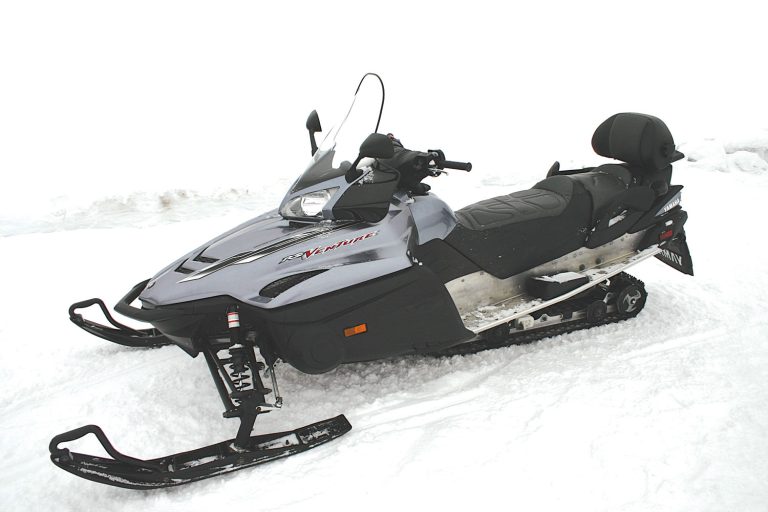
2009 YAMAHA RS VENTURE 2-UP

A ten-year-old sled, if you can find a really good one, represents good value and can provide comfort and reliability at a fraction of the price of a new sled. If you’re looking for used iron, here’s a few suggestions in no particular order:

It seems like this particular Yamaha Venture has been around for eons. It first appeared in MY2005, hence its sit-down-style ergonomics harvested from the RX-1.

Normally, we’d poo-poo that riding position but we feel it’s far less important on a 2-upper and this sled still delivers a high level of comfort for two riders.

Just for the record, we also strongly recommend the 2009 RS Venture GT, the rider forward version of the Venture, but the original Venture is a good choice for a couple of reasons.

First, these sleds were bargain priced when they were new (at least $1,000 less than the GT). Although you may pay a slightly higher buck now because it’s a Yamaha 4-stroke, you’re liable to grab a deal because it doesn’t have all the bells and whistles of the newer model.

Second, this sled is still being offered new at dealers today (up to MY2018). It has seen almost no changes in 14 years, so the used one you buy will look and behave the same as a new one.

The RS Venture is powered by a triple carbureted 120-hp, 973cc version of the more recent 1049cc triple used in the, Viper, Venture GT and the Vector and has a 144-inch long by 1.25 deep track. Seating is roomy but storage space is useless; ride is excellent, handling is so-so.

Other than loud track noise, we haven’t heard of any recurring mechanical or electronic issues with this sled and your biggest challenge may be prying it from an owner’s cold, clammy hands.

We give it a 4 out of 5.

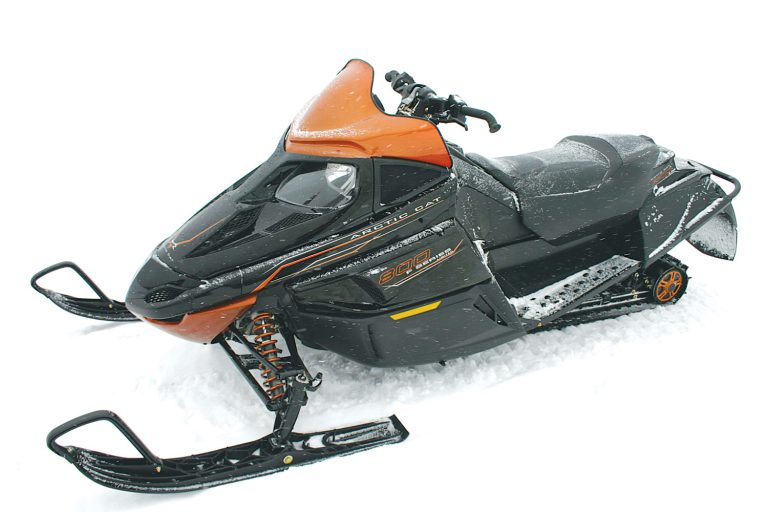
2009 ARCTIC CAT F8 TWIN SPAR 800

A ten-year-old sled, if you can find a really good one, represents good value and can provide comfort and reliability at a fraction of the price of a new sled. If you’re looking for used iron, here’s a few suggestions in no particular order:

With all the hype about Cat’s recent DSI, slot-injected 800 replacement engine, recommending the Suzuki-built case reed, throttle body EFI 800 powering the Twin Spar Cats of this era may seem strange. However, the fact is, of all the used 800 2-strokes built ten years ago, the Suzook 800 twin has proven to be the most reliable.

Sure, there was vibration, less-than ideal fuel and oil mileage, smoke, and a “fat” demeanor when the throttle was tipped-in, but these engines were strong runners and held up extremely well with very few crank, bearing, piston or bottom end failures reported on stockers.

It’s hard to think of an 800 as being “pipey” but this one is happiest when the RPMs have built beyond 4000. Much below that and throttle tip-in isn’t very crisp.

Cat’s Twin Spar chassis was never very pretty or particularly light but was built battleship strong. Suspension, handling and ergonomics (adjustable handlebars) were very good by 2009 and these sleds were warm and comfortable on long rides, providing you had the right windshield.

Cat used its own spin cast primary clutch and a roller secondary in those days and belt life and belt heat was actually very good on the 800, however, the engine heat light comes on very easily when you’re riding in hard-snow conditions.

Believe it or not, this isn’t as serious as it seems but you’ll need to keep finding loose powder to ride in to get the snow up into the tunnel in order to make the light go off.

Big thing: These sleds were first to use a 129-inch track.

We give the F8 a 3.5 out of 5.

2019 2-Stroke 600-Class Shootout: Ski-Doo VS Arctic Cat VS Polaris

0

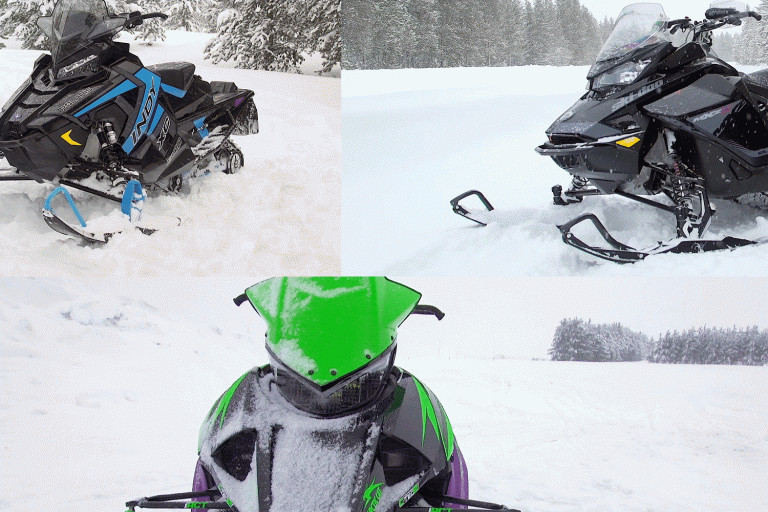
Following a Turbo Comparison and 800-Class Shootout earlier in the season, we line up the top contenders in the 2019 600 2-stroke snowmobile class and do a shootout between Ski-Doo’s MXZ 600R, Arctic Cat’s ZR 6000 and Polaris’ 600 INDY XC.

Subscribe to our YouTube Channel!

2009 FST IQ & SWITCHBACK TURBO

A ten-year-old sled, if you can find a really good one, represents good value and can provide comfort and reliability at a fraction of the price of a new sled. If you’re looking for used iron, here’s a few suggestions in no particular order:

This choice will cause some eyebrow raising because the earliest ones had recalls dealing with reverse gear issues and start-up (an ECU reflash in 2007 fixed this). However, by 2009 the FST had become a reliable, enjoyable sled to own.

The Polaris IQ platform features non-parallel, unequal length A-arms up front and is a great handler, but the extra weight of the 4-stroke makes steering effort fairly heavy if you use too much carbide on the skis.

The original FST was intended to make 135-hp but the Polaris engineers added an “over-boost cycle” to the ECU that increased the boost to take the FST from 135-hp up to 160-hp for about 5-seconds under full throttle. Fun.

Used sled shoppers will be getting benefit from a plush, fully coupled suspension, efficient Polaris clutching and a decent reliability record (after the recalls). These sleds were fast and accelerated very hard despite being heavy and almost bulky looking.

One common complaint from the Supertrax gang was the exhaust sound the FST made. It’s even firing parallel twin Weber engine sounded like an irrigation pump or something else industrial. Some of us, however, liked the fact it added to this sled’s “sleeper” image and made its strong performance all that more mysterious.

We recommend shopping for one with less than 5,000 miles on it or one that has had a clutch rebuild and all the recalls performed, just to avoid any long-term reliability issues.

The resale on these sleds isn’t quite as strong as the 4-stroke Ski-Doo or Yamahas so you might score a super deal on a good one.

We give the FST 121-incher a 3.5 out of 5 and the Switchback a 4.

All You Need to Know About Polaris’ Patriot 850 Engine

0

Mark divulges all the details you need to know about the design and development of Polaris’ all-new 850cc 2-stroke Patriot engine.

Subscribe to our YouTube Channel!

2009 YAMAHA APEX

0

A ten-year-old sled, if you can find a really good one, represents good value and can provide comfort and reliability at a fraction of the price of a new sled. If you’re looking for used iron, here’s a few suggestions in no particular order:

These sleds were anvils and we don’t just mean because they were heavy!

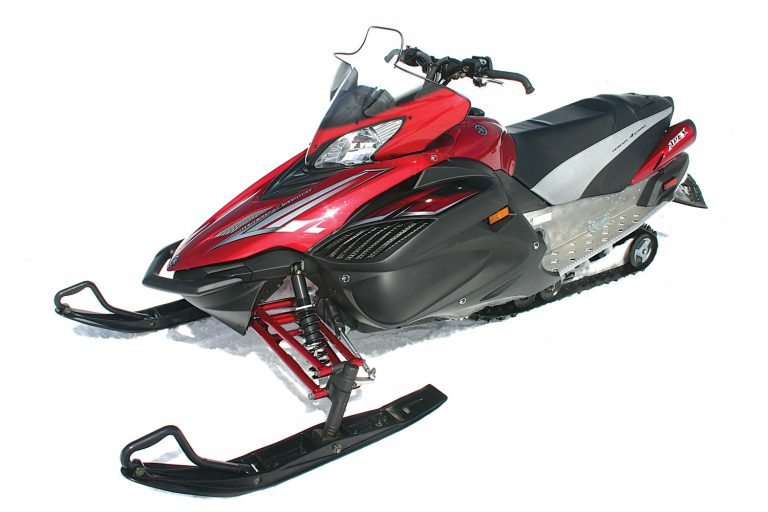
In 2006 the Apex was introduced – a rider forward variation of the old RX-1. Even without the big 4-stroke under the hood, this all-aluminum platform was heavy, over-built and extremely strong, especially in the belly, bulkhead and engine bay area.

Shoehorning a huge 4-cylinder 4-stroke in there was a challenge and its confined engine bay and difficulty reaching it makes it a chore for owners to do any kind of tuning, repairs or modifications.

This may actually be a good thing because we’re strong proponents of used sled purchases this age being completely stock, not home-built hot-rods.

The Apex engine is a masterpiece of Swiss-watch precision and has an excellent reliability record. Unless the used one you’re shopping has had unbelievable abuse, you should expect no problems with the engine.

Meanwhile, these sleds did not have a roller secondary so backshifting is not the greatest and it will likely need a clutch refurb after 5,000 miles to replace sliders and flyweights in the primary. Nothing drastic there, but ask if it’s been done.

Used Apexes hold their value really well so you may pay a bit more than expected for a good one. We recommend this choice for someone who exclusively rides trails and doesn’t spend much time in powder or climbing hills.

Weight is the deal-breaker here and since the Apex is purpose built for groomed trails, you might be disappointed in its limitations when used off-trail.

Nevertheless, an Apex is a good choice for all-round reliability and value.

We give it 4 stars out of 5 on the used sled scale.