Home Blog Page 92

SnowTrax Television 2019 – Episode 12 Sneak Peek

0

Based on close to 60 years of history, Mark, Luke and AJ have a sit-down discussion about the ongoing legacy of Arctic Cat Snowmobiles and how the iconic brand has shaped the snowmobile industry along with the Arctic Cat snowmobiles they felt were the most influential.

AJ is in the shop detailing the features of the CKX TITAN Helmet which stood out to the editors of Supertrax Magazine as being truly unique and innovative.

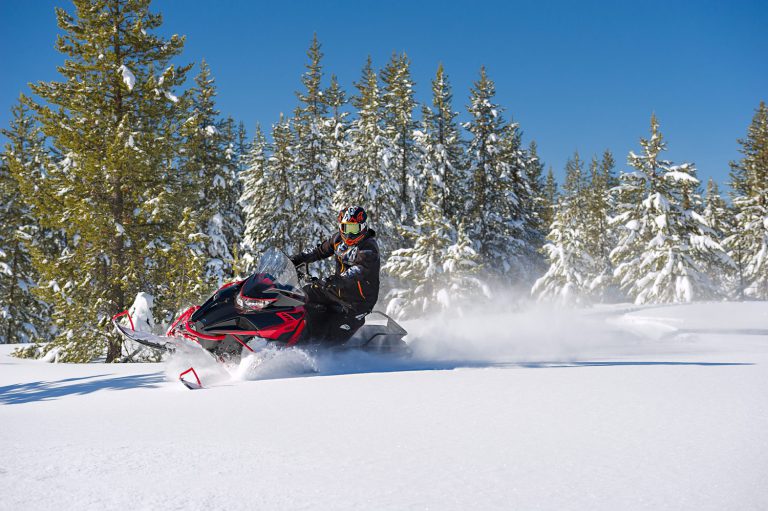
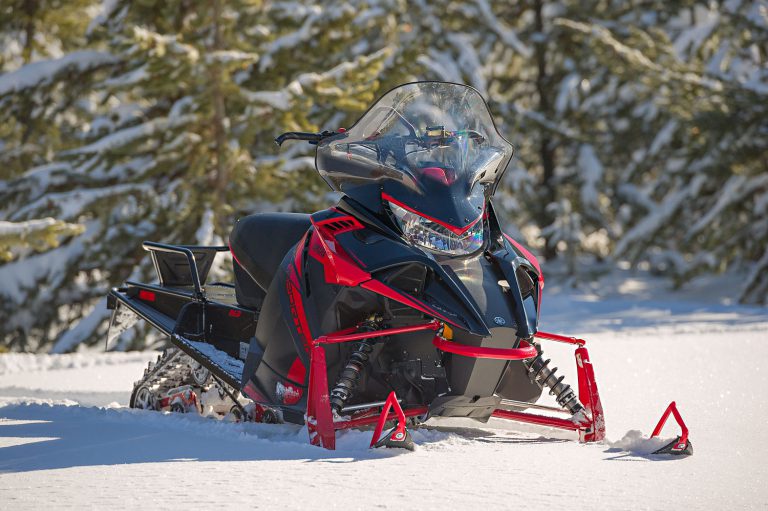
And Mark reviews Yamaha’s 50/50 cross over sled; the 2019 Yamaha Sidewinder X-TX 141.

Subscribe to our YouTube Channel!

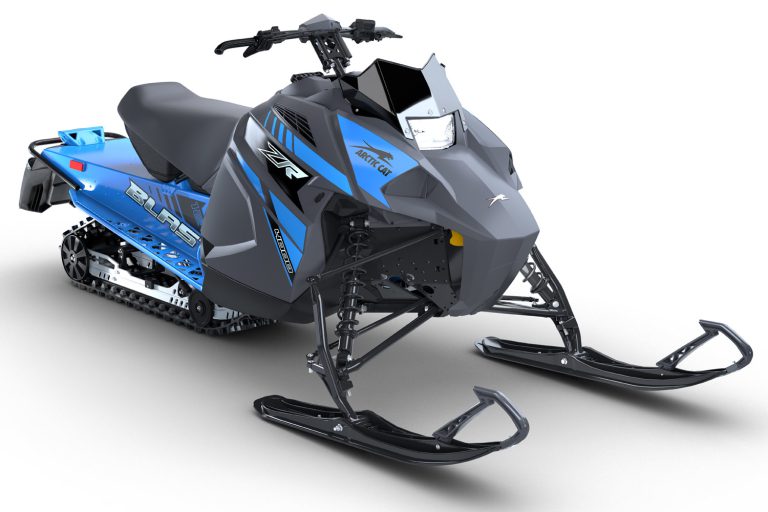
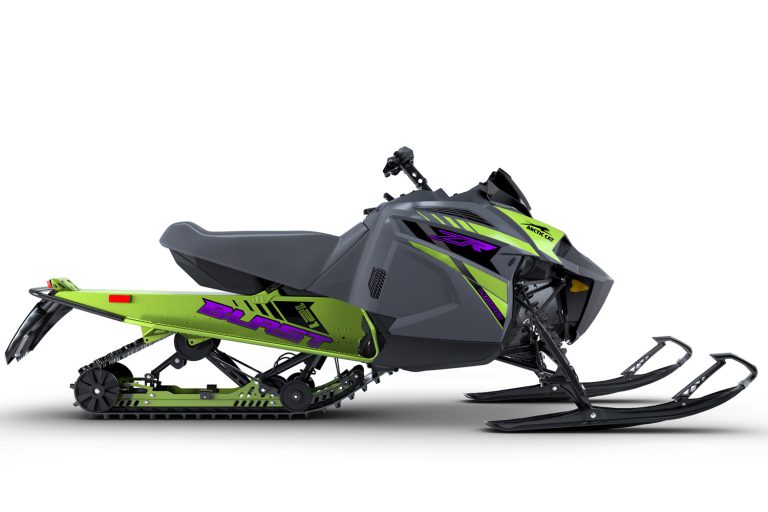
2020 Arctic Cat ZR 8000 RR Walk Around & First Impressions

0

Mark is here to talk about the 2020 Arctic Cat ZR 8000 RR after a day’s ride. Full Review to come on SnowTrax Television 2020!

Subscribe to our YouTube Channel!

ARE SNOWMOBILE PRICES FAIR?

0

This season marks the 30th year Supertrax has been publishing snowmobile magazines. Over the course of those three decades there’s been a lot of change in our industry and fortunately, the sheer time of our involvement has given us a birds-eye view of things.

One factor we’ve taken alarming note of is the increased cost of participation in this sport. You’ve probably been reading our recent rationale on how sno-mo-related prices have been increasing as technology ramps up. It’s fair to say, progress is always good – but it comes at a steep price.

Going back in time three decades, we should probably ask ourselves: “Is it really more expensive to participate in this activity today than it was thirty years ago?”

Here’s what it looks like, but lets go back even further to a time when there was an explosion of enthusiasm for snowmobiling – the mid-1970s. This was a time when it seemed like everyone owned or at least, wanted to own, a snowmobile. Compared to today, sales stats and sheer demand was staggering.

Certainly, snowmobiles were not nearly as technically sophisticated as today’s are but the average price of one was about $1,400 and many baseline sleds could be purchased for under a G-Note. These seem like ridiculous prices when we look at new-sled prices today. But are they, really?

In the early to mid-1970s there was a real estate boom that put the price of an average home up to about $40,000 by 1975. Certainly, some geographical areas got higher prices but some others cost less. However, in the snow-belt, rural areas where snowmobilers mostly come from, that’s pretty much the average you paid for a house.

Today the same house would run you about ten times that much – somewhere around $400,000. Before you get yourself all in a knot about real estate values (most certainly some areas get a lot more for our sample house), but looking across the whole North American snow-belt in both the USA and Canada, the average is really close here.

How about the average cost of the pick-up truck sitting in your driveway? In 1975 you would have paid about $4,000 for the most commonly equipped full-sized pick-up brand. Today, the average price of a similar truck has risen to about $40,000. Once again, it’s fair to say the increase is close to tenfold.

Lets look at snowmobile prices. Today the average selling price of new sleds rolling out of showrooms north and south of the border is about $13,500. This takes into account high performance turbos pushing 20 grand and the lower volume, value stuff selling for under 10Gs. As mentioned, in 1975 the average was about $1,400. Hmm, close to ten times again.

To make any sense of a comparison like this, you have to look at other factors that have changed the way we live. The fact is, our product expectations are a lot different than they were in 1975. This doesn’t just go for snowmobiles – it tips over into the cars and trucks we purchase and the houses we live in.

Today, the truck in your driveway is likely a 4×4 with air conditioning, extra cab seating and copious electronics – wasn’t in 1975. The house you’re sitting in while reading this would have been smaller, wouldn’t have had three bathrooms, granite countertops and a designer kitchen in 1975.

What happened? Well, our demands increased. The bare minimum we required suddenly got much more full-featured.

That’s pretty much what has happened in the snowmobile biz. The Yamaha SL250 we would have loved in 1975 has given way to an E-TEC 600 with adjustable shocks and a digital dashboard. Yes, the cost has actually stayed in perspective but today the features and benefits of the average snowmobile have rocketed skyward.

So, are snowmobiles still fairly priced? Based on comparison, we’d have to say they are. Just like always, we’re the problem!

Maybe The Best Way To Load Your Sled

0

AJ looks at an innovative new way to load and unload your motorized toys into the back of your pick-up truck. This ingenious ramp and loading system, by DGRP, saves valuable time and effort so you can get your machine on the ground faster and get back on the road quickly when you’re all done playing.

Subscribe to our YouTube Channel!

THE HARD TRUTH ABOUT OFF-TRAIL RIDING

0

It looks like snocross racing has been supplanted as the identity of choice by the image of the deep snow freerider.

Iconic names like Haikonen, Morgan and Hibbert for two decades have given way to powder slaying, cornice jumping images of Chris Burandt, Carl Kuster, Dave McClure, Rob Kincaid and many others. More important, in showrooms the sought-after image of snocross sleds is increasingly shifting to deep-snow sleds.

Proof positive are comments coming from the OEMs indicating the sale of crossover and mountain sleds is the growth market in the snowmobile industry right now.

We would not dispute this assertion. Our contact with you, our readers, and Snowtrax Television viewers indicates not just a passing interest in off-trail riding but a determined desire to rip-up powder, ride without boundaries and generally go wherever you choose.

Although we’re not against this new, tweaked definition of snowmobiling, we must clearly state this reality: If snowmobiling keeps redefining itself away from groomed trail riding – and I’m speaking about flatland freeriding here – there’s going to be a huge price to be paid.

Sure, it’s great the OEMs are recording sales increases in deep snow, longer tracked crossover rides; I get that. However, there has to be a visible, coordinated move to educate these buyers their new way to participate has boundaries and subsequently, rules. If this doesn’t happen soon, we’re in for big trouble!

So, overall, this is good, right? I mean more sleds sold means more participants, more tourism impact, more justification for our sport’s continued acceptance and support by government and thus more monetary support for snowmobiling. This is correct thinking, right?

Honestly, I’m less sure about the above rationale than I’ve ever been. I’m concerned things are getting out of control. We attend all the big US consumer shows every fall and this year I was overwhelmed by the increase in people we spoke with who are buying sleds with the intent to use them off-trail in flatland, trail-based territory.

Like I said, I’m all about more participation and expansion. However, I’m becoming increasingly concerned about the consequences of this re-imagined type of riding.

You’ve likely heard, just like we have, about trail closures from sleds wandering off the prescribed signed and marked routes. Landowners are the backbone of North America’s state and provincial groomed trail systems. The desire to freeride using these trails as a springboard to “get to the pow” runs 180-degrees counter to the original idea behind groomed trails.

Therein lies the problem. This growing desire to ride deep-snow-capable sleds in deep snow has to be subject to some rules. Moreover, this new movement needs tourism destinations and riding locales to step up and recommend terrain and areas where this kind of riding can legally and considerately take place.

Those who build, maintain and groom our valuable trail systems can no longer just get angry at off-trail riders, because they’re most certainly not going away.

In fact, it appears these participants are going to grow again in numbers this winter. There has to be some solutions and some give-and-take in an effort to get this new genre of riding under the wing of established trail sanctioning groups.

One more thing: It’s probably time for the OEMs to step up with some ideas aimed at preserving the amazing access we enjoy to public and private land. As the main benefactors of the explosion in popularity of deep snow sleds, the manufacturers need, at the very least, to participate in and ideally help direct this conversation as well.

It’s time to get talking constructively about this no longer “emerging” but rather, ever-increasing fraternity of snowmobilers who see things differently than the status quo.

Experiencing the 2020 FXR Racing Dealer Event

0

AJ attends the FXR Racing 2020 Dealer Show to get a look at the all-new gear including the Dri-LINK system being implemented into their snowmobile suits, their lineup of 6D helmets which provide a massive increase in safety as well as a live fashion show. Then, AJ hops on a sled and rips a Snocross track for the first time in over a decade with racing legend, Levi LaVallee.

Subscribe to our YouTube Channel!

2020 SKI-DOO SUMMIT X EXPERT

0

Just to show you how hot the mountain market is, it seems like new technology and concepts are coming on a monthly basis.

One just-introduced 2020 mountain ride we’re paying close attention to is Ski-Doo’s Summit X Expert.

There are a couple of things about the Expert that are truly ground-breaking and much of the conceptualization of this sled has come right from Ski-Doo mountain aficionado, Carl Kuster.

The first thing you notice is the tunnel and track are not the same length. Available in two track lengths – 154 and 165, the Expert uses a 146-inch tunnel on the 154 skid version and a 154-inch tunnel on the 165. All versions come with a 3-inch track. Also, there’s almost no visible snowflap at the rear of either Expert variation.

What? Here’s the story on these innovations. Apparently, when you’re navigating super-deep powder and the skid and tunnel are almost buried in fluff, the tunnel acts as a rudder. Unfortunately, the rudder is heading straight ahead, so if you try to turn while you’re pouring on throttle there’s extra resistance from a longer tunnel. If the tunnel is shorter it’s easier to pivot the sled in the deep stuff.

We were skeptical, but after riding it a couple of days in the mountains one of our test riders, Jon Legato, had this to say: “I feel like the shorter tunnel and longer track allow the sled to feel less cumbersome and long while climbing steep and deep areas. Jumping the sled felt significantly better too because of the shorter tunnel, it seemed to allow the sled to pop up better while maintaining control in the air.”

The better jumping response may be more because of the fact there’s only a tiny snowflap at the rear and the tunnel can clean out instantly, letting the track respond more quickly to engine power under less load. “There’s definitely potential with the “no snow flap” feature on the Expert. When trenching through the deep powder, it allowed the sled to power though without the chance of getting stuck compared to the normal snow flap holding snow inside the tunnel. Also, while in a wheelie climbing steep terrain, you have more control because nothing is dragging or grabbing the snow.”

Another couple of things Ski-Doo has “unlearned” is the Expert actually has a lower seat height than other Summits, skinnier handlebars (at the grips), a smaller grab strap and a lower handlebar riser (4.7 inches).

Most of this has to do with lowering the center of gravity when you’re climbing near-vertical slopes or maneuvering sidehills, but it also helps with agility in the deepest snow.

Not fully satisfied with the above changes, Ski-Doo altered the Expert’s front end geometry (modified spindles) and the ski-stops for less resistance when you hit submerged objects.

As it is, the sled reacts beautifully when there’s a ground impact in the middle of a climb or when you’re sidehilling. Some of this stellar response is undoubtedly because of the excellent and actually very expensive Kashima coated shocks up front on the Expert package.

Another critical innovation is the Expert’s tunnel mounted limiter strap adjuster. This allows the rider to simply and easily adjust how far the front of the skid is plunging into the snow – especially helpful with deep snow climb-out.

It goes without saying all Experts are equipped with Ski-Doo’s revolutionary SHOT starting system, use a narrowed RAS 3 front end (adjustable 42.5 to 43.7) and the Summit’s tMotion pivoting skidframe. Apparently there are a total of 14 unique changes that set the Expert apart from other Summits.

Here’s a crazy twist for you to contemplate. Ski-Doo and Polaris both have come to the 2020 marketplace with new, more highly specialized mountain sleds. The new RMK Khaos is very similar in its execution and purpose as the Expert. So who was looking over the fence?

Awesome Snowmobile Products from KIMPEX

0

AJ returns to the Trail Tech shop to recommend the latest snowmobile products from KIMPEX that you need on a long day’s ride including the SHAD Box for all your storage needs, hand muffs and and sled cover.

Subscribe to our YouTube Channel!

WHAT’S UP WITH ARCTIC CAT IN 2020

0

Now the Arctic Cat media embargo on information surrounding the 2020 models has been lifted, we thought we should bring you up to speed on some of the things we learned while at the annual Snow Shoot event in West Yellowstone, Montana, held the last week of February.

First, Arctic Cat looks quite a bit different these days from a personnel standpoint. Textron has been making changes that appear aimed at streamlining its off-road division from a product and a human resources standpoint.

Here are some of the comments engineering boss, Brian Dick (and others), made in their presentation to the media in West Yellowstone. Keep in mind, Brian is one of the most respected individuals at Arctic Cat – and quite frankly, in the whole sno-mo-biz.

“Arctic Cat is not for sale”. That this statement was even made is a clear indication Textron has been fielding a lot of questions similar to this. It’s important that it was Brian Dick saying this. He adds a mountain of credibility to the message and, as a result, these rumors should quiet down.

“Arctic Cat is committed to investing in new product”. Again, Brian would know if this was true or not and he made it clear there are new projects underway and the market will be seeing these innovations over the next few seasons. He was predictably light on a time line for new stuff to arrive.

“Arctic Cat must clear the decks of unsold, non-current sleds”. We thought that was what the last leadership team from Textron was doing this season. Apparently, there are still too many unsold sleds sitting in boxes. These sleds only go down in value every day (and every year) they sit unsold. While details are very sketchy about the total number of non-current unsold sleds, we believe it’s significant.

“If you want a 2020 Arctic Cat model you have to Spring Order it”. This was a biggy. While it seemed to take a couple tries to make this statement sink in with clarity to those in attendance, the reality appears to be this: Arctic Cat is offering a MY 2020 lineup of about 35 models – including variants. For the record, this is about half of what Arctic Cat would normally present for their new model launch.

Clearly, there are enough non-current sleds sitting around for dealers to order that a smaller 2020 model build should be able to enhance, or least add some sizzle to, these as-yet unsold non-currents.

It’s a complicated equation – and a bit risky. Clearly no OEM can get truly profitable until it’s selling mostly current year products. However, this is a weather driven business and the word “mostly” can swing wildly to include a lot of non-currents.

“There will be very attractive pricing on these limited production 2020’s”. Pricing we’ve seen released in the past couple days appears to validate that statement.

We won’t get into specifics as our readers are both Americans and Canadians which means the numbers are significantly different. You can look them up and evaluate for yourself. The issue of sweetening early order snowmobiles with exclusive pricing, extras and rebates is decades old. We’ll see how this program flies by sometime in April.

“The 800 CTEC is a 165-hp class engine”. This was a bit of a shocker to the press in attendance. Obviously, the Ski-Doo 850 E-TEC and Polaris’ 850 Patriot are both 165-hp engines. So, how did the 800 CTEC end up in the “165-hp class”?

Perhaps, here’s part of the answer. After letting it digest you may, as we did, find it confounding. Apparently the 2020 800 CTEC engine gets new cylinders, heads and pistons. The reason for this was not clearly explained.

When you let this simmer in your noodle for a couple minutes this inevitable question arises: If Arctic Cat was going to retool these engine parts (at substantial cost) why didn’t they just drill bigger holes and make the engine an 850? The reality is this: We were unable to quantify the 165-hp claim simply because West Yellowstone is 6,600 feet above sea level and everything feels pretty slow. Add this in: The OEM sponsored Snow Shoot event does not allow head-to-head performance comparisons.

We suspect these might have shown Arctic Cat is on its game with this re-invented 800 C-TEC engine. Just for the record – it did feel quite strong when jumping back and forth between the competitive 850s and the new version of the Arctic Cat 800.

Stay tuned!

Full Review of the 2019 Polaris 850 Switchback XCR

0

Mark reviews the successor to our 2018 Real World Sled of the Year choice: the 2019 Polaris 850 XCR Switchback.

Subscribe to our YouTube Channel!