Home Blog Page 53

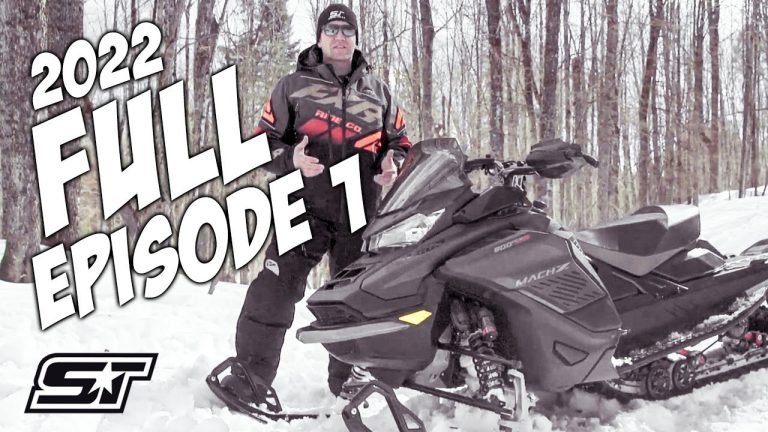
SNOWTRAX TV 2022 – Episode 1

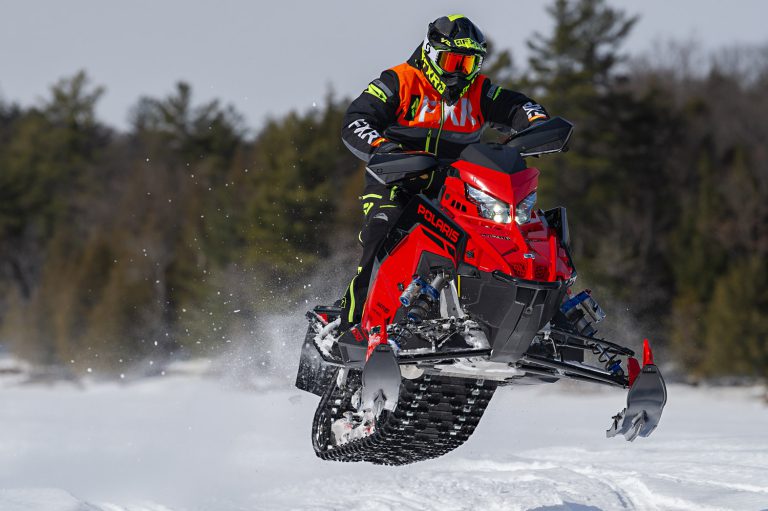
Coming up in the first episode, our junior test pilot blows up on social media as she chronicles a fun day on the trail aboard Yamaha’s mid-size SX Venom. Then Motorhead Mark rides the rails off the all-new 2022 Polaris Indy XCR featuring the Patriot 650 engine. In TRAIL TECH, Luke reviews the updated design and functional hauling features of the Legacy Groomers Homestead model. Then AJ finishes off the special two part Test Ride as he stretches his arms and the limits of speed with Ski-Doo’s 900 ACE Turbo Mach Z featuring launch control along with the industry’s first semi-active electronic suspension. #snowmobile #snowtraxtv

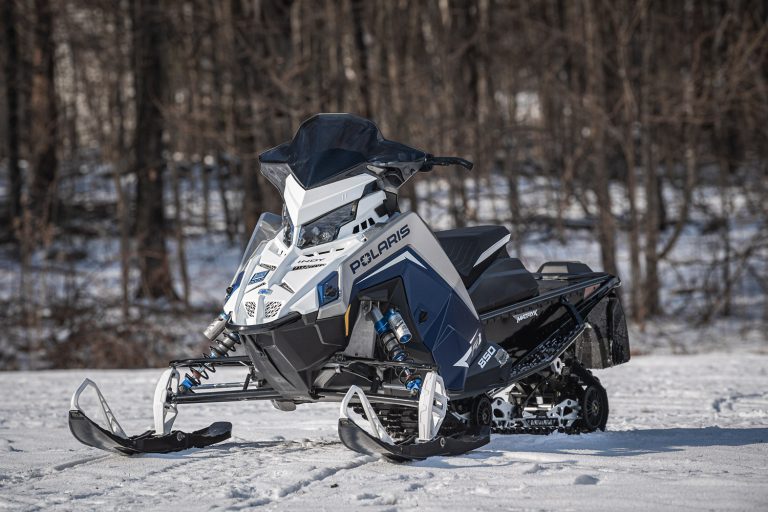
2022 Polaris INDY 850 VR1 137 Detailed Overview

0

Motorhead Mark provides a detailed overview the 2022 Polaris Indy MATRYX VR1 137 featuring the potent Patriot 850 engine and outlines why this sled is arguably the most high-tech performance sled on the market.

Subscribe to our YouTube Channel!

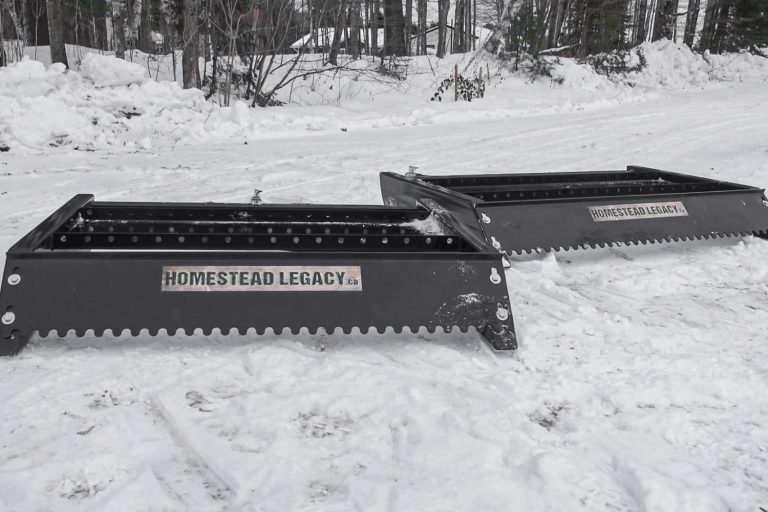
Homestead Legacy Trail Otter Groomer

0

Luke reviews the updated design and functional hauling features of the Homestead Legacy Trail Otter series of tow-behind groomers. These units are compact and versatile and easy to use around your property.

Subscribe to our YouTube Channel!

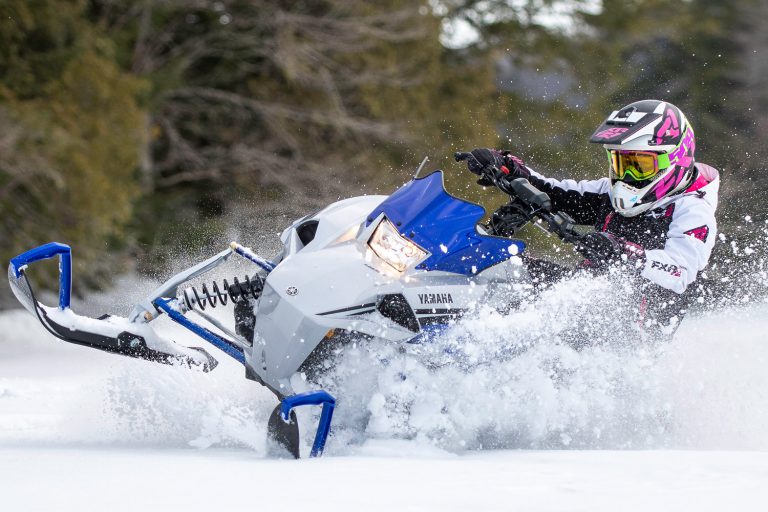
Every Snowmobile Family Needs This Sled

0

Our junior test pilot blows up on social media as she chronicles a fun day on the trail aboard Yamaha’s mid-size SX Venom.

Subscribe to our YouTube Channel!

Proof The 2022 Indy XCR Is The Best Handling Ditch Banger To Date!

0

Motorhead Mark evaluates the all-new 2022 Polaris Indy XCR 128 in the rider-first MATRYX platform powered by the Patriot 650 engine.

Subscribe to our YouTube Channel!

WILL ELECTRIC SLEDS BECOME THE NORM?

0

This question is big on the minds of everyone these days.

Some of our readers and viewers flat-out tell us they will never buy an electric sled – no matter who builds it; others tell us they can’t wait for sparkies to take over so they won’t smell like 2-stroke oil after they’ve been riding. Hmm.

We’ve already pointed out several times how some huge hurdles have to be jumped over before electric sleds can get a grip on a large portion of the market. The two most talked about are range-to-ride and charging time.

We’ve also discussed the lack of charging facilities and the cost to install a network of same. We’re not going to enlarge on these ginormous challenges we’ve already noted but there are a couple of other issues that could affect the growth of electrics.

First, there’s an awareness we all may be legislated into riding electric sleds as a result of environmental groups having enormous political sway with governments. After all, snowmobilers are what you could call “low hanging fruit” because of the size of our industry compared to, say, the aircraft or auto industry. We’re an easy political target because we’re less significant – even when paired together with the marine or off-road vehicle market.

To put it into perspective, the amount of pollution we, and these other venues create in a year is probably the equivalent of about a week’s use by the other two. However, it doesn’t seem to matter much to those wanting to make political hay.

We’re not saying this is going to happen – but in the late 1990s we didn’t really believe snowmobile OEMs would have to conform to the EPA’s Clean Snowmobile mandate either.

Second, there’s a tendency to believe the snowmobile biz will have to mirror the auto industry’s strong mandates which have the whole auto industry legislated to electric by 2030.

Certainly, this proposal comes from short-sighted politicians with a very limited understanding of what’s really required in the electricity generation sector to get to this goal.

It’s great to think of a squeaky-clean environment with no fossil fuel activity, but what about the environmental effects of ten times more atomic or coal-fired power generating plants serving a totally electric transport system?

Even if the use of atomic energy and coal is banned, there isn’t enough real estate on the continent to put up windmills and solar farms and hydro plants to supply that enormous demand.

Here’s one: As pressure continues on the automobile industry and less gasoline powered vehicles are built, it will inevitably drive the cost of gasoline higher, not lower. An extreme increase in gas prices may propel people into electric snowmobiles. A cost of thirty dollars a gallon would undoubtedly have an effect, don’t ya think?

Frankly, we look at the future of snowmobiling like a merging of events over a long term. The coordinates would be:

1. Acceptability of electric power in terms of charging and range
2. Increasing price of petroleum
3. Performance of electric vehicles, both on and off-road
4. Acceptance and convenience of automobile electric power
5. Growth of power generating capability
6. Government intervention

If these factors keep moving together, we’ll all be riding electric snowmobiles, ATVs, side-x-sides and floating around in electric boats a generation from now.

We recently watched a video of a Tesla Plaid beating the famous 1000-plus horsepower, heavily modified Hoonigan Mustang in a drag race. Pretty stunning. The Tesla owner’s total mods to his car were to tint the windows and have some bodywork performed on a dent in it. That was it!

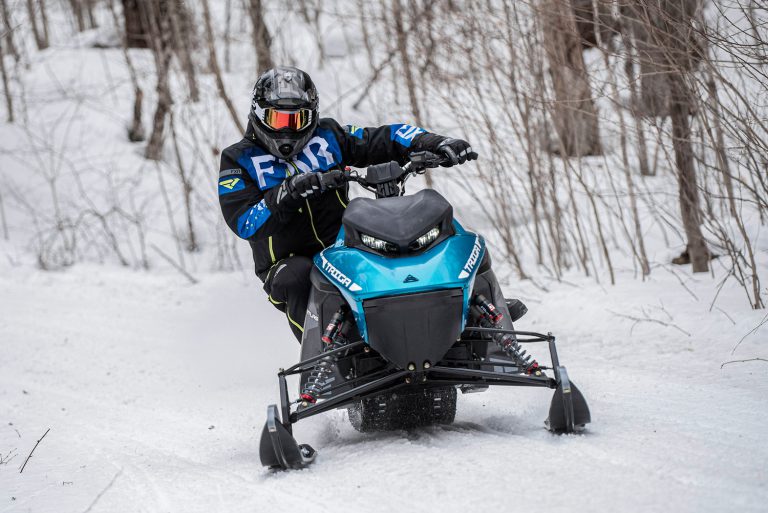
Likewise, with the tweaking of a microchip, a Taiga can boost itself by 100 horsepower. All speculation aside, it’s hard to ignore that kind of potential.

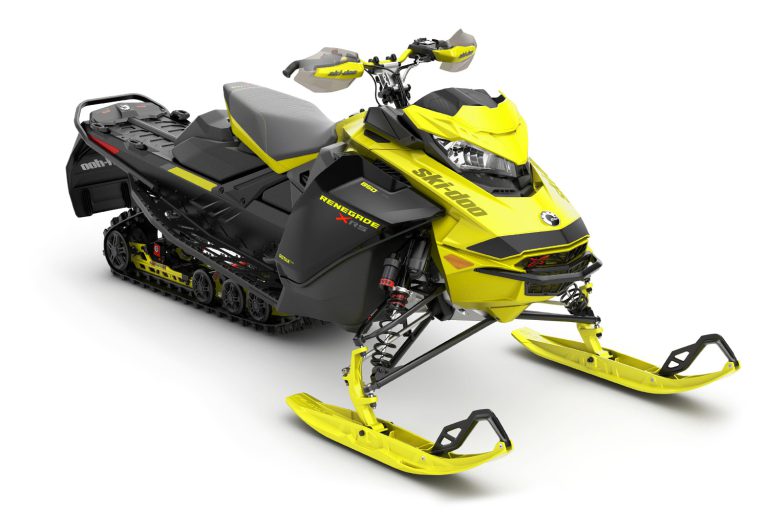
2022 Ski-Doo Renegade 850 XRS with Smart-Shox

0

Few new pieces of technology have invoked as much cynicism and joyful accolades all at the same time.

The idea of shock absorbers that can react to terrain inputs thousands of times a second, mounted on a vehicle admittedly operated in brutally harsh, cold and unpredictable terrain is, by definition, remarkable.

The fact that said shocks actually make a discernible – even tangible improvement to overall ride quality is nothing short of revolutionary!

While there’s debate about the amount of measurable ride quality improvement Ski-Doo’s new Smart-Shox produce swirling around out there in sno-mo-land, I thought I’d throw in my very first impressions and takeaways after a 300 km (180 mile) test session.

I respect there is some doubt in the marketplace about how much better (or not) semi-active ride control actually is. This is all-new and pretty ground-breaking technology – and there are bound to be skeptics out there, doubting.

THE REBOOT

Our 2022 850 Renegade X-RS has been on the ground here at Supertrax/SnowTrax world HQ since last March. Unfortunately, when we received it here, our winter was in the clutches of a full-on mega-thaw. This provided us with precious little ride time so we used it to produce a Snowtrax Test Ride feature segment.

Upon completion, we tucked the Renny with Smart-Shox away for a long summer’s nap. Early this fall we were asked to ship the X-RS back to Valcourt to undergo a comprehensive re-boot of the Smart-Shox system and its associated ECU. The sled was back here by early November. We then waited for the days to click by until we could have our first pull.

THE RIDE

Just so you’ll understand the parameters of our early season riding, where we are located the trails must be officially opened before they can be ridden. This left us with ditches to bang and a few high-speed unplowed areas to evaluate the Renegade’s Smart-Shox. Fortunately, that was more than enough rough surface riding to come away with some strong first impressions.

Yep, this is game-changing technology that’s going to impact the snowmobile industry. The more I rode the Renny X-RS the more I was impressed – even shocked sometimes – how smooth the ride was. This opinion comes with full knowledge and appreciation of the fact the platform for the Smart-Shox system is a full-on 137 rMotionX skid. Without a doubt rMotion has been the industry’s benchmark for ride quality for over a decade.

Additionally, I did not need to pull myself off the seat when heavy rollers or sucker bumps presented themselves. When you set the three position Smart-Shox mode switch to Comfort that’s exactly what you get. I suspect most buyers will ultimately gravitate to this setting unless the trails are horrendous, or the rider wants to do a high-speed mogul run. For these purposes select Sport or Sport Plus.

SEMI VS FULLY

Smart-Shox do not produce – by description – fully active suspension. Fully active suspension adjusts shock valving by reading the terrain ahead using sophisticated sensor beams. It does this before you actually ride over it. Simply put, the vehicle does not need to hit a bump to start reacting. Fully active suspension sees the bump and reacts before engaging it. Semi-active suspension, specifically Smart-Shox, respond to terrain as you ride over it.

I noticed something interesting about Smart-Shox reaction to big hits up front. Heavy impacts at the skis seemed to be erased by the time the rear skid reached the crater I felt through the bars. This is consistent with what Ski-Doo claims the system does.

When the ski shock accelerometer encounters and responds to a ji-normous hit, it instantly talks to the front arm and rear arm shock causing them to firm up the valving and get ready for the imminent arrival of a potential spine-tingler.

I found a number of situations where the Renegade actually made the big hit I felt up-front disappear. What I wasn’t able to experience was the claim Smart Shocks reduce body roll by reading pitch and stiffening up the outside front shock when cornering. My riding opportunities this early in the season didn’t allow for tight and twisty corner railing. I will report back.

WORTH IT?

Thus far I can say with conviction if you are pursuing the ultimate ride and money is no object, then you must experience Smart-Shox – and experience it this season. Unfortunately, I doubt you can find an unsold Ski-Doo with Smart-Shox anywhere in the US and Canada. If you can find one, buy it! You won’t be disappointed.

ARCTIC CAT’S NEW CHASSIS: Part II

0

A few weeks ago we published an online article about the potential for Arctic Cat to introduce a new chassis within the next couple of years.

We’ve been giving this a lot of thought – and so have you, apparently. There’s been a ton of commentary on our social media sites on this subject from readers and viewers – so much so that we’ve barely been able to publish any article about Arctic Cat without you raising the question.

FIRST OFF

In our opinion there is very little wrong with Cat’s current ProCross platform. Could it be lighter? Probably, but it isn’t really much heavier than its competition. In some applications it’s actually lighter.

Could it handle better? Maybe, but it’s still one of the best handling platforms in the biz. Is it comfortable? Yes and no. However, its basic ergonomic layout is extremely good and any improvements in comfort could be accomplished with mere cosmetic changes – nothing radical – certainly nothing requiring a complete chassis dump.

So, why should AC consider a new chassis? There are a number of issues surrounding this question and none of them are even remotely involved with the proficiency or lack of it with the current ProCross platform.

IT’S TIME

Arctic Cat has been building this platform for over a decade and customers – particularly snowmobile consumers – really like new, shiny stuff. We’ve always said, you need to give customers a reason to buy a new sled. The best way for an OEM to do this is to obsolete the old one by bringing out something completely new and perceptibly better. “Better” may mean lighter – or more convenient, or more stylish, or more comfortable, or with a better ride – whatever. The point is, it’s new. And that’s what sells snowmobiles!

PATENTS

It’s no secret Cat and Ski-Doo have been in an extended battle over whether or not the ProCross chassis infringes on Ski-Doo’s triangulated, pyramidal chassis design. At this point, details of the lawsuits and their settlement have been so complicated and secretive, we don’t know for sure what’s going on. For a while Ski-Doo had an injunction preventing Cat from selling any ProCross sleds in Canada. That has since been lifted.

Our estimate however, is that any new Arctic Cat platform would not use the current triangulated backbone of the past. This would likely mean something similar, either to the current one or more like Polaris’ chassis – but in no way completely the same as either so as not to get into legal trouble.

This is a problem in several ways: Would a new design be as rigid? Would it be lighter or even the same weight? Would handling and ride be compromised? Would it be economical enough to build so it doesn’t drive prices up?

Certainly, design targets, since they’re throwing out all the bathwater, would be focused on radical lightness, different and perceptibly better ergonomics and improvements in ride and handling – if possible. There could also be exclusive adaptability for Cat’s current range of snowmobile engines and how to improve accessibility and routing of turbo plumbing, as well as exhaust and intake.

ADAPTABILITY

We briefly touched on this, but since the ProCross platform was introduced before Cat’s current use of a Yamaha 4-stroke triple, there may be an opportunity to improve that engine’s fitment in a new chassis. This also brings up the point we discussed in our former diatribe about the possibility of Cat coming with something narrower (we had asserted in our earlier story the narrower clutches introduced for 2022 maybe hint at this).

Although we doubt a new chassis would stray from the existing wide-spaced A-arm setup up front, there may be a new long-front-arm-skid on the agenda.

Also, depending on how Arctic Cat’s marketing department views the off-trail market, a new chassis may provide the opportunity for Cat to bring a new mountain sled that exceeds the competitions’ offerings in the weight and traction departments. No small task there.

FINALLY

There are many directions Arctic Cat can go here. It’s our firm opinion, the worst place it could go would be to remain static and do nothing. At this point, the Arctic Cat name and reputation are still strong – wait a half a decade and who knows if that same brand identity will still be at play.

Arctic Cat is a savvy company with good people on board. It would be foolish to try to convince ourselves these conversations haven’t been ongoing in the boardrooms and engineering labs of the company for quite some time. We’re waiting with anticipation to see what happens!

2022 POLARIS INDY XCR 650

0

The XCR moniker has been in play for literally decades. The early years of XCR saw the legendary Indy, all-aluminum, trailing arm chassis rule terrain and sno-X racing in the early 90’s. The sled was incredibly light, had steering and suspension geometry developed in the ditches around Roseau – and beyond. The sled flew like a Cessna and consumed terrain with a venomous appetite.

Those original Indy XCR’s were powered by Fuji 440cc piston port twins until when early in Polaris’ domestic engine program, the company released a Liberty 440 twin with read valve induction and torque-generating exhaust valves. Throughout the early and mid 90’s, the XCR was the benchmark for terrain-consuming prowess.

Yes, Cat’s ZRs were potent and Ski-Doo was making huge cred gains in the Midwest with the MX-Z – first in the “S” chassis then in the “ZX” platform. Those times were the roots of Polaris’ terrain racing success. In those days the XCR was the archetypical racing snowmobile – and everyone knew it.

Fast forward to today’s marketplace and witness the XCR, circa 2021. The current MATRYX chassis now carries the XCR’s legendary trademark and it does it with credibility and legitimacy. I could spend the rest of this report discussing the MATRYX XCR’s compression and rebound adjustable Walker-Evans 2.0 racing shocks, the billet rear scissor stops, the oversized racing brake rotor and bigger caliper along with high performance brake pads and the legendary XCR brake air scoop. But I won’t.

PATRIOT POWER – XCR PROWESS

This time around it’s all about the XCR’s ultra-potent Patriot 650 twin. In my humble opinion, the 650 speaks to the roots of what XCR really STANDS FOR. Sure, there’s an 850 XCR – and it is a cannon. However, the XCR is about ditch banging, technical rough terrain navigation and telepathic corner carving on the twistiest trails known to man.

To navigate this kind of terrain you need power that’s torquey, seamless and explosive at the big end. You need an engine that’s much more than the sum of its parts. Literally you need a 650 that thinks it’s an 850. That, my friends, is exactly what you get with the new Patriot SDI 650.

650 OR 600?

Of course, the most important comparo we made last season was the Patriot 650 versus the benchmark Rotax 600R. There was little surprise when the Polaris 650 pulled the Rotax 600 in both low speed throttle roll-ons and WOT runs down the lake.

Frankly, it would have been pretty disappointing if, after benchmarking the Patriot 650 against the then king of the 600 class, the Rotax 600R, the 650 was slower than the 600R. The reality is that 650cc’s just makes more power than 600.

The Ski-Doo 600R, according to everything we’ve heard swirling about the industry, makes just shy of 130-hp. Polaris doesn’t produce a horsepower claim for the Patriot 650 but informed observers pretty much agree its HP is in the 137 to 140 range. That number is a big step up from 50cc bigger holes. Think about this: It was only a few years ago a full-on 800 delivered about 150-hp – some less.

MORE THAN RAW POWER

A feature we are standing and applauding is the Patriot’s radically revised engine mounting system. Eliminating the age-old, vibration-inducing torque stop keeps the 650 in perfect alignment with its clutches. The difference in hood, windshield and handlebar shake is remarkable. This is the same system used on the 850. Its lack of vibes brings a tangible aura of sophistication and refinement.

There’s little doubt a legion of XCR aficionados will go gaga over the new XCR 650 in either 128 or 136 inch variants. The sled feels nimble in turns and transfers nicely when the loud handle is whacked. The precise and linear delivery of power flows seamlessly through proven clutches into white top.

Because the new MATRYX presents what we believe to be the very best ergonomics in the industry today, you’ll find yourself “thinking” your way through twisty trails. It’s a good feeling to know you’re in the right place aboard your sled when clearing approaches or running a mogul infested portage.

That’s the sense the MATRYX XCR 650 delivers. In fact, this kind of control will likely make you a better rider. Seriously.

INSIDE TRAX: SNOWMOBILING PROBLEMS

0

I guess you could define COVID-19 as a problem. That word barely seems a decent description for the chaos the world has been thrown into the last year and a half. It’s almost trivial to rate snowmobiling as a casualty or benefactor to something that has affected nearly every person on the planet in a major way.

However, snowmobiling has been affected and no one is sure whether or when things will return to normal. Frankly, I’ve never seen anything even close to the changes we’re experiencing in several aspects of the sport. In no particular order, I’ll try to describe the alterations we’ve all been seeing.

SUPPLY

Snowmobiling, as with all forms of motorized recreation, has a severe supply problem. Simply stated, it’s hard to get new sleds. Don’t expect to find them at your local dealer, either. 2022 sleds were sold out by last May and if you didn’t pre-order before the end of March – unless the dealer has performed some kind of logistical magic – you have little chance of getting a new sled in-season.

This is an unprecedented situation and it simply means, unless your dealer is a relative or blood brother, you’re going to pay top dollar for the new sled you’ve ordered. Discounts are scarce, but the good news is that your old sled is probably worth more than you’d have expected.

If you look closely at the supply situation we’re experiencing, it looks like there’s been a huge increase in participation and the sport has grown at a breakneck rate the last two years.

Certainly, you could argue there have been manufacturing challenges getting enough components to deliver completed sleds on the ground to owners, but this situation has been dealt with for a full season now and the OEMs are finally catching up.

Here’s the bad news: Since new-sled orders happen far in advance of delivery in the snowmobile business, it looks like the supply issue could still exist next year, too.

DEMAND

There were strong indications the demand for snowmobiles was increasing a couple of years before the pandemic hit and kept all the holiday travellers away from sunny winter places outside the country.

Two years ago, no one would have guessed the demand would be this big, however. The limitations placed on vacationers by COVID-19 simply amped the demand right into the stratosphere. Thousands of new and formerly dormant snowmobilers came out of the woodwork and were willing to pay inflated prices to get themselves and their families on the snow. The money was there because they weren’t spending it on sunny vacations.

RENEGADES

This isn’t a reference to any snowmobile model. Rather, it refers to an attitude beginning to arise from many of the fresh faces we haven’t seen on the trails for a long time (or ever).

Back in the 1960s and early 1970s the renegade attitude was prevalent and it nearly destroyed the industry before it got out of the starting blocks.

These riders showed little respect for private property or for other people riding whatever fledgling trail systems existed back then. It was a constant problem with riders trespassing onto private property and riding in forbidden areas.

It took about 20 years of hard work by clubs, police and volunteers to get the image of responsibility back on the front page so that snowmobilers weren’t regarded as terrorists.

Don’t get too puffed up about our progress – we’ve still got a long way to go. If you’re one of the good people who respects private property, you need to preach it to your friends who are new to the sport. We’re at critical mass with this and trails are closing because of it.

DRINKING

Thought we’d fixed this a long time ago, but it’s back. A few new riders have started carrying beverages with them to “freshen themselves up” on the trails.

You don’t need a sermon on how unacceptable this is and harmful to the sport. The most effective thing you can do to settle this is to simply refuse to ride with or include people who are tippling on the trails.

If they’re aware of the dangers and damage to snowmobiling drinking and riding creates and still doing it, you probably don’t want to be associated with them anyway.

The excuse people want to use is: “Because all the restaurants and pitstops were closed last year because of COVID, there was nowhere to go to get a drink”. The bigger point is, don’t drink at all if you’re riding!

So, will snowmobiling go back to normal after COVID 19 ends? Frankly, no one expected to be dealing with these issues. Knowing the history of snowmobiling, though, if we all, as both participants and as an industry work together looking for remedies, we’re going to be golden – maybe even better than before!