Home Blog Page 159

North America’s Top Snowmobiler Contest

0

We take a closer look at the launch of last season’s North America’s Top Snowmobiler contest.

Subscribe to our YouTube Channel!

YZ450FX TimberSled Customization

0

AJ’s in the TRAIL TECH shop putting the finishing touches on his TimberSled LE build.

Subscribe to our YouTube Channel!

2017 Polaris 800 Switchback Assault 144

0

In TEST RIDE, AJ’s in the powder aboard the 2017 Polaris 800 Switchback Assault.

Subscribe to our YouTube Channel!

Arctiva introduces new Rise MX Snow Helmet

0

JANESVILLE, Wisconsin – February 1, 2017 –

Not all helmets are alike. From the moisture wicking liner and dual density EPS, the fit and feel of the Arctiva Rise MX Snow helmet is excellent.

The shell was designed with snow in mind – vents to allow for cool-down, vent plugs to keep the cold out.

A wide eye-port provides excellent field of view while providing a great fit for snow goggles. An adjustable breath box provides additional protection from the elements.

The Arctiva Rise MX Snow helmet meets both DOT and ECE standards. This new design from Arctiva sets the standard for snow cross helmets – a sleek look and much lighter shell.

Available in Orange/Black/White combination. Sizes range from XS to 2X. Suggested Retail $99.95.

ARCTIVA produces a complete line apparel for the snow enthusiast. For more information visit us at arctiva.com. You can also follow us on Facebook.

Camso sponsors Snow Bike Series

0

Camso, formerly Camoplast Solideal, becomes a Supporting Sponsor of the AMA Championship Snow Bike Series.

“The AMA Championship Snow Bike Series is a official winter sport race, managed by Big Nasty Hillclimb, LLC (BNHC). We’re proud to support this group in a shared effort, between industry manufacturers, avid motorcyclists, and various winter venues which support motorized activities,” says Bruce Dashnaw, Sales and Marketing Director – Powersports at Camso.

The Snow Bike Series consists of nine events in seven US states. Riders are challenged by a motocross-inspired half-mile track made up of turns, jumps, banks, whoops and dips.

The events draw spectators and fans of powersports, motorsports and winter action sports, living in areas of the US where winter powersports are a significant part of local life.

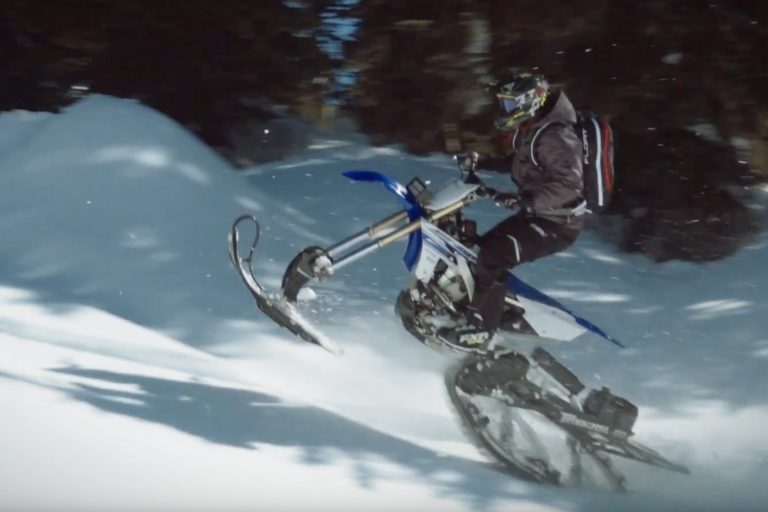
For the 2017 season, Camso is supporting riders Colton Sturm, Phil Smage and Cody Thompson with their new dirt-to-snow (DTS) conversion system. We anticipate more riders will be considering the Camso DTS 129 both on and off-track.

Things are already off to a promising start, with Thompson finishing first, Sturm fourth, and Smage fifth at the season’s first race in Minneapolis, Minnesota on December 18.

Round 2 takes place January 14 at the Morgan County Fairgrounds in Morgan, Utah. Learn more about the competitions at: amachampionshipsnowbikeseries.com

“Racing pushes the limits and boundaries of both products and riders,” adds Dashnaw. “That in turn pushes Camso to produce innovative new products that allow our sponsored riders, and all of our customers to Go Further.”

Camso, the Road Free company, is a world leader in the design, manufacturing, and distribution of off-road tires, wheels, rubber tracks and undercarriage systems to serve the material handling, construction, agricultural and powersports industries. It employs more than 7,500 dedicated employees that place 100% of their effort on 11% of the global tire and track market—the off-the-road market. It operates advanced R&D centres and manufacturing plants in North and South America, Europe and Asia. Camso supplies its products to leading original equipment manufacturers (OEM) under the names Camso and Solideal and distributes its products in the replacement market through its global distribution network.

camso.co

2017 IS ALL ABOUT POWER

0

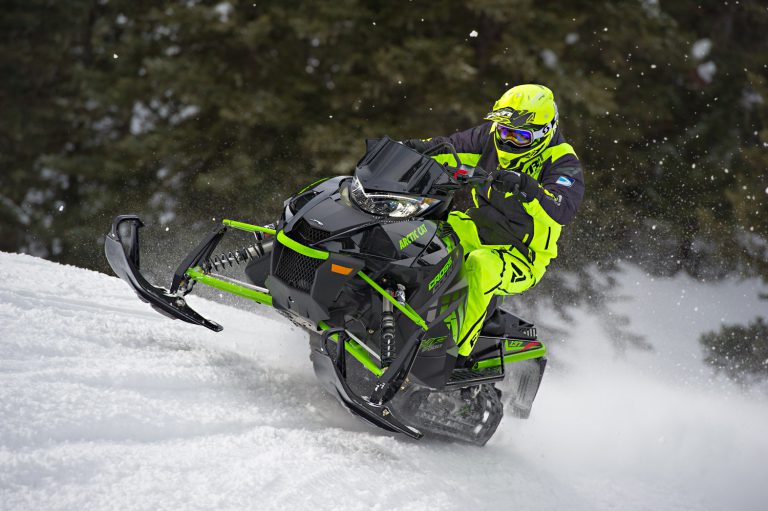
The news this year is all about power. Three of the four OEMs (Arctic Cat, Ski-Doo and Yamaha) have whipped horses in the Maximum Performance category and have done so with a gnat-swatting, grand slam, take-no-prisoners approach unprecedented in the sport.

Topping the power ratings are Yamaha’s turbocharged SideWinder series and Arctic Cat’s Thundercat and associated 9000 models. Not to be outdone, Ski-Doo has rewritten the rules in ultimate performance 2-strokes with a brand new 850 E-TEC in a brand new chassis.

On the other side of the coin, Polaris is staying with its latest 800 but that extreme engine may have been the catalyst that made the other three step up this year.

The turbos are unashamedly claiming 180-hp, but independent testers are telling us these 4-strokes are rated rather conservatively and produce several stallions beyond their claims. Same with Ski-Doo’s new 850.

Official claims are 162-hp, but the “old” 800 professed the same power and believe us, the 850 is way, way faster. The only way you’ll know for sure what kind of power these sleds make is to try one, so if you haven’t already bought one, you might have to beg a ride on one of your buddys’ sleds this winter and nd out for yourself.

None of us should be too surprised the ante has been raised so far upwards in engine performance; it’s pretty much the way it’s always been in snowmobiling. Even going back to the Sixties and early Seventies, the sled-makers were raising the bar on performance every year and by the turn of the millennium top 2-strokes had gone from 600 to 700, 800 and 900ccs and not long after to 1000ccs.

During those years maximum hp ratings stayed close to the 160 or less range but the actual acceleration and top speed performance delivered due to new-age electronics and clutch innovations made those sleds, in all displacements, very, very fast.

Frankly, all-out performance has always been a hallmark of snowmobiling. Certainly not everyone wants, needs or spends to get an ultra-performance sled, but there’s a reason big-inch engines are offered in so many categories: It’s about where the average rider wants to be going with his or her aspirations and expectations for their next purchase.

The “graduation principle” is very real in snowmobiling and has fueled sales for decades.

Example: A consumer starts with a 400 or 500cc sled and five years later they’ve set their hair on fire with a sled pumping out 160 or more ponies. It’s good for business and underscores the platitude: “Build it and they will come!”

Until this year we’d observed a tapering of OEM focus on top-drawer performance. It had pretty much become the rule that big-inch engines top out around the 165-hp range (the exception was Cat’s 1056cc turbo twin) and 2-strokes leveled out at 800ccs, no more, no bigger.

Without question, this had much to do with EPA certification and the high cost of getting any new snowmobile engine approved by the government. Under the current rules, certifying a new engine takes at least a couple of years and usually more.

Even revamping an existing engine into an “HO” version takes a lot of work, money, testing and time before it’s suitable for sale. This is one of the factors that makes 2017 a blockbuster year for this industry.

We can boldly tell you, this performance boom has been in the works for a while and we’re guessing there’s more coming. You can expect more big things from Arctic Cat in the next twelve months and we think Ski-Doo has a tremor-causing 4-stroke to come.

Oh, and Polaris just might start the whole cycle going again, too.

Spring Riding in BC Canada

0

AJ travels to British Columbia, Canada and hooks up with the boys from Backus Racing for some late season riding and a chance to shred some powder on TimberSleds

Subscribe to our YouTube Channel!

SIDEWINDER TURBO IMPRESSIONS

0

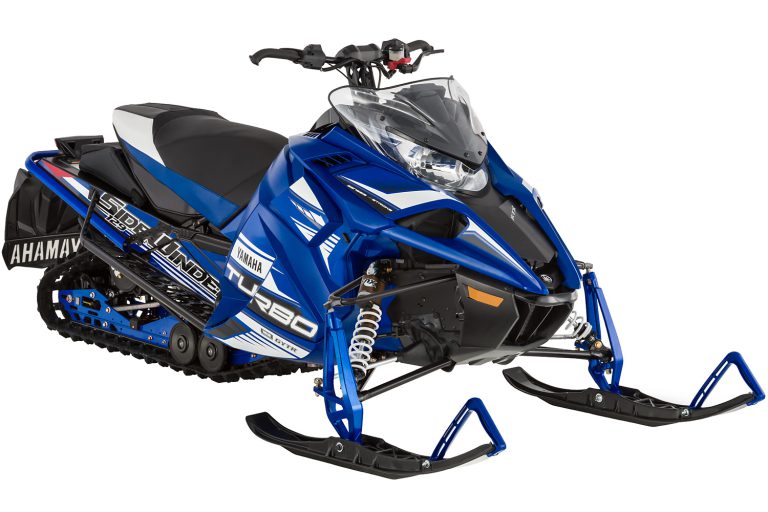
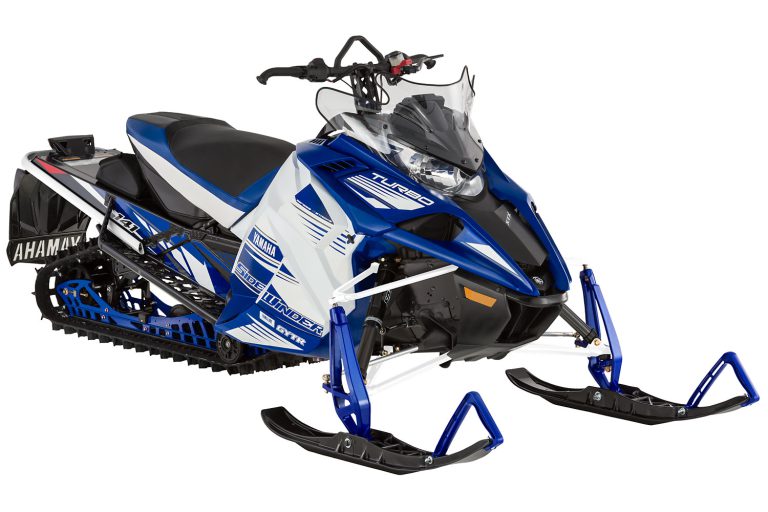
With the great snow conditions we’ve been enjoying so far this winter we’ve had a chance to put some miles on various SideWinder models.

Here’s some impressions:

ENGINE:

This mill is a rocket. So far we’ve observed zero turbo lag and really can’t believe how immediate the throttle response is.

Basically, it feels like a naturally aspirated (EFI) engine with gargantuan power. Delivery is very predictable and smooth and the difference between this power package and the old Suzuki Turbo is night and day.

CLUTCHES:

The new primary and roller secondary really work in tandem with the no-lag engine to tip-in power at any throttle setting.

The backshift is very evident and there’s no “rubber band” hesitation as the clutches decide what the ideal RPM is going to be when you’re dialing in more thrust. The power response feels directly connected to your right thumb.

We can’t comment on reliability or belt wear because we don’t have extreme miles on any of our SideWinders yet.

TRACKS:

We’ve found the ideal track length for trail riding is 137 to 141 with a maximum lug depth of 1.75 inches.

Why? In certain models where a deeper lug is offered (2.0 or 2.25), the compromise is just too great for trail riding. We think a 1.5 or 1.6 is absolutely ideal but the 1.75 works nicely when there’s some snow cover over hardpack.

Our 129-incher (R-TX) also rides really nicely and is a great sled even with a 1.25 but that engine just Osterizes the shallower track.

You’ll definitely need some studs. Careful though: In some cases Yamaha will void your track warranty if you add them. Check with your dealer.

Marlon Snowmobile Deck Review

0

AJ’s installing a Marlon Truck Deck to our work rig for hauling sleds and going over some of the features and benefits this unique product offers especially when paired with some excellent traction and securement products from Superclamp.

Subscribe to our YouTube Channel!

2017 Yamaha Sidewinder X-TX SE 141

0

Luke evaluates Yamaha’s all-new 2017 Sidewinder XTX SE with a 141-inch track.

Subscribe to our YouTube Channel!